


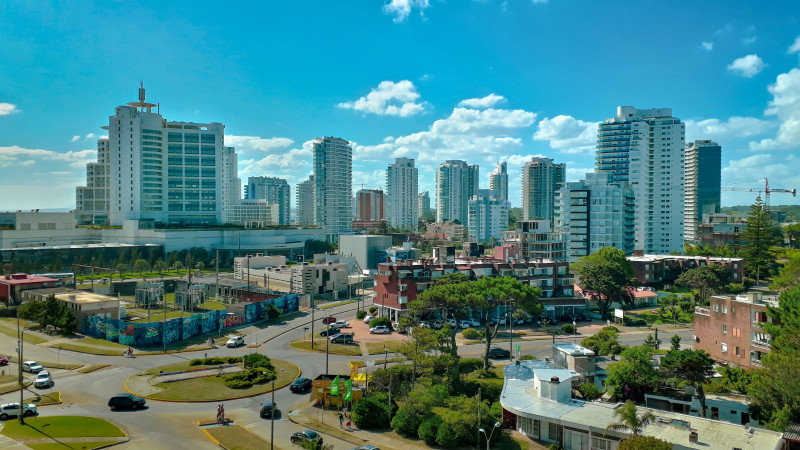
Uruguay is attracting growing interest from international buyers looking for a different way of life. For people in the United States and Canada, relocating to Uruguay can offer an opportunity to enjoy a more relaxed lifestyle, discover a welcoming South American culture and explore a range of residential environments, from established city neighbourhoods to peaceful coastal communities.
However, moving abroad involves considerably more than choosing a country and purchasing a property. Prospective residents need to understand the local lifestyle, compare locations, investigate healthcare and education, review residency requirements and consider the financial and practical implications of an international move.
Uruguay offers several distinct living environments. Montevideo combines the convenience of a capital city with a long waterfront promenade and established residential neighbourhoods. Punta del Este is known for its beaches, restaurants and international atmosphere, while José Ignacio and La Barra appeal to people seeking a more relaxed coastal setting.
For those considering a move, experiencing these destinations before making a long-term commitment can be invaluable.
La Cité Real Estate helps international clients explore Uruguay's property market and relocation opportunities. Through its local knowledge, property services and personalised relocation support, the company helps prospective residents make informed decisions about where and how they want to live.
This guide explores what it is like to relocate to Uruguay, including lifestyle, residency, healthcare, education, property ownership, cost considerations and the practical steps involved in moving from North America.
Why Consider Relocating to Uruguay?
Uruguay offers a combination of established institutions, coastal living, cultural attractions and a relatively compact geography. Its appeal is not limited to one particular type of international buyer. Retirees, families, remote professionals, entrepreneurs and people seeking a second home may all find reasons to investigate the country.
Political Stability and Quality of Life
Uruguay has a long-established democratic system and is frequently recognised for its institutional stability within South America.
In the Economist Intelligence Unit's Democracy Index 2024, Uruguay was classified as the only full democracy in South America, achieving a score of 8.67 out of 10 and ranking 15th globally.
For prospective residents, stability is only one part of the decision. Access to services, healthcare, education, housing and everyday amenities should also influence where they choose to live.
A Distinctive Coastal Lifestyle
Uruguay's Atlantic coastline offers a variety of residential environments. Some locations have established year-round communities, while others become particularly active during the summer season.
Punta del Este is the best-known coastal destination, with beaches, apartment developments, restaurants, marinas and a broad range of property options. Nearby La Barra and Manantiales offer a more informal coastal atmosphere, while José Ignacio is associated with lower-density development, beachside dining and a quieter setting.
The differences between these destinations are explored further in La Cité's guide to the best places to live in Uruguay.
A Strong Renewable Energy Profile
Sustainability is another notable part of Uruguay's national profile. The country has developed a significant renewable electricity sector and continues to explore projects associated with cleaner transport and energy.
For people who value environmental sustainability, these developments offer another interesting aspect of the country's long-term direction.
Understanding the Uruguayan Lifestyle
One of the most important considerations when relocating is understanding what everyday life will actually look like.
Uruguayan life combines urban conveniences with a strong connection to outdoor spaces, food, social activities and coastal environments. The experience varies significantly depending on where someone chooses to settle.
Montevideo: City Living by the Coast
Montevideo is Uruguay's capital and largest city. It offers the broadest concentration of professional services, shopping facilities, healthcare providers, educational institutions and cultural attractions.
The city's Rambla, a long waterfront avenue, is an important part of everyday life. Residents use it for walking, running, cycling, meeting friends and enjoying views across the Río de la Plata.
Different neighbourhoods offer different lifestyles:
- Pocitos: Popular for apartment living, beach access, restaurants and convenient everyday amenities.
- Punta Carretas: Combines residential streets, shopping, dining and proximity to the waterfront.
- Carrasco: Known for its spacious residential properties, green surroundings and more suburban atmosphere.
- Parque Rodó: Offers access to parks, cultural attractions and established residential areas.
- Ciudad Vieja: The historic centre provides architectural character, cultural venues and a more urban environment.
Montevideo is often a practical starting point for families and international professionals who want access to a wider range of services throughout the year.
Punta del Este: Coastal Living and International Appeal
Punta del Este is one of Uruguay's best-known destinations for international property buyers.
Its appeal comes from its beaches, residential developments, restaurants, leisure facilities and established property market. The area offers everything from apartments overlooking the ocean to larger houses in quieter residential neighbourhoods.
Some of its best-known areas include Playa Brava, Playa Mansa, La Península, Rincón del Indio, Golf and Pinares.
Punta del Este is particularly lively during the summer months, when international visitors and seasonal residents arrive. However, anyone considering permanent relocation should also visit during the quieter months to understand the year-round environment.
To compare Punta del Este with other residential destinations, explore La Cité's guide to the best places to live in Uruguay.
La Barra, Manantiales and José Ignacio
Beyond Punta del Este, the surrounding coastal communities provide additional options for people with different lifestyle preferences.
La Barra has a distinctive coastal character, with restaurants, boutiques, beaches and a social atmosphere. Its location also provides access to Punta del Este. Read La Cité's La Barra Area Guide for more information about the area and its residential environment.
Manantiales offers a beach-oriented lifestyle with restaurants and residential properties. Its location provides access to several coastal destinations.
José Ignacio is particularly attractive to people seeking a quieter and more private coastal environment. Its beaches, lower-density surroundings and dining scene have helped establish its international reputation. Discover more in La Cité's José Ignacio Area Guide.
The different locations offer distinct experiences, making it worthwhile to explore them before deciding where to rent or buy.
Food, Wine, Culture and Recreation in Uruguay
Relocation is not simply about finding a home. Food, culture, recreation and social activities all contribute to the experience of living in a new country.
Discover Uruguay's Food Scene
Uruguayan cuisine has strong connections to local agricultural traditions, grilled meats, seafood and regional ingredients.
Traditional parrillas are an important part of the dining culture, while Montevideo and the coastal destinations also offer contemporary restaurants, cafés and international cuisine.
Explore Uruguayan Wine Country
Wine is another enjoyable part of discovering Uruguay.
The country is particularly associated with Tannat, a red grape variety that has become an important part of its wine identity. Visitors can explore vineyards, learn about local production and enjoy tastings in different wine regions.
Some wineries worth discovering include Bodega Garzón, Bodega Bouza and De Lucca Wines.
Winery visits can provide an opportunity to understand the country's agricultural traditions and enjoy a different side of Uruguayan life.
Enjoy Outdoor Activities and Recreation
Uruguay offers opportunities to maintain an active lifestyle throughout the year.
Montevideo has coastal walking routes, parks, gyms, cycling opportunities and recreational facilities. Punta del Este and the surrounding coastline provide access to beaches, swimming, surfing, sailing and outdoor activities.
Discover Local Arts and Culture
Montevideo has a long-standing cultural scene, including theatres, concert venues, museums and traditional music.
Learning Spanish can make these experiences more rewarding and help newcomers develop stronger connections with their local communities.
Experience Uruguay Before You Relocate: La Cité's Guided Relocation Tours
Choosing where to live in another country is a significant decision. Photographs and online property listings can provide an initial impression, but they cannot fully explain what it feels like to live in a particular neighbourhood.
For international visitors, especially those travelling from the United States and Canada, experiencing Uruguay first-hand can help turn an uncertain relocation decision into a more informed plan.
La Cité Real Estate offers personalised guided relocation tours designed for small groups of international visitors interested in exploring Montevideo, Punta del Este and the surrounding areas.
The experience combines local exploration with practical information about everyday living, property opportunities and the services prospective residents may need after moving.
Explore Neighbourhoods and Residential Areas
The tour introduces visitors to different neighbourhoods so they can compare their atmosphere, amenities and residential environments.
Rather than concentrating only on well-known tourist attractions, the experience focuses on locations where people might actually choose to live.
Visitors can discover shopping districts, local markets, residential streets and everyday facilities while considering which areas best match their lifestyle preferences.
Discover Shopping and Dining
Shopping and dining are important parts of settling into a new country.
La Cité can introduce visitors to local markets, shopping areas, cafés and restaurants, helping them become familiar with the facilities available in different locations.
Explore Fitness and Recreational Facilities
Visitors interested in maintaining an active lifestyle can explore popular gyms, recreational areas and outdoor facilities.
Understand Healthcare and Insurance Options
The guided experience introduces visitors to healthcare alternatives available in Uruguay, including private medical facilities, mutualista organisations and public healthcare options.
La Cité can help visitors understand the different options and connect them with relevant local contacts. Individual eligibility, premiums and coverage should be confirmed directly with healthcare providers.
Visit International Schools
Families considering relocation can investigate international education options in Montevideo and Punta del Este.
The tour can include visits to international schools, helping parents understand the educational environments available and consider the practical relationship between school locations and potential residential neighbourhoods.
Enjoy Optional Wine and Cultural Experiences
Visitors can also explore selected wineries, artisan workshops and outdoor excursions.
Wine tasting experiences can be arranged at selected vineyards for an additional cost, depending on the venue. La Cité particularly recommends De Lucca Wines as one winery worth discovering.
Receive Practical Relocation Guidance
Moving abroad involves understanding unfamiliar administrative processes and local customs.
La Cité can recommend Spanish-language classes and schools to help newcomers improve their communication skills.
Depending on individual interests, the team can also recommend workshops covering practical local matters, cultural etiquette and traditional Uruguayan cooking.
For visitors considering permanent relocation, La Cité can connect them with trusted associates who provide guidance on legal and fiscal residency applications.
View Properties for Rent or Purchase
Property exploration is an important part of the relocation experience.
La Cité can present a selection of rental and purchase properties based on visitors' preferences, budgets and lifestyle requirements.
This allows prospective residents to compare different property types and neighbourhoods while considering practical factors such as schools, healthcare, shopping and transport.
La Cité Relocation Tour: Schedule and Details
The published relocation tour details are:
Tour detail | Information |
Duration | 10:00 am to 5:00 pm |
Published price | USD 800 per day |
Lunch | Included, excluding alcoholic beverages |
Transportation | Transportation in La Cité's vehicle |
Group format | Small-group guided experience |
Optional activities | Some experiences, including winery visits, involve additional costs |
Programme | Personalised around visitors' interests and relocation requirements |
The itinerary is designed to accommodate individual interests and preferences. Prospective visitors should contact La Cité directly to confirm the programme, availability, group arrangements and applicable pricing before booking.
For anyone considering making Uruguay their new home, this guided experience offers an opportunity to explore the country, understand its lifestyle and investigate suitable properties with local guidance.
Interested in discovering Uruguay before relocating? Contact La Cité through its relocation services page to discuss the guided relocation experience and plan your visit.
Understanding Residency in Uruguay
For anyone planning to live in Uruguay permanently, understanding the immigration process is essential.
Uruguay provides different legal residency procedures for foreign nationals, including temporary and permanent residence categories.
The appropriate route depends on an individual's nationality, personal circumstances and reason for relocating.
Temporary and Permanent Residency
Temporary residency may be appropriate for foreign nationals intending to stay in Uruguay for a defined period, including for employment, education or other qualifying reasons.
Permanent residency is intended for people who wish to establish their home in Uruguay on a long-term basis.
The Dirección Nacional de Migración publishes the official requirements and procedures for each category. Applicants should consult the relevant government guidance before preparing their documentation.
Depending on the application, documents may include identity documentation, criminal-record certificates, birth or marriage certificates where applicable, evidence of means of support and other supporting documents.
Foreign documents may need to be apostilled or legalised and translated into Spanish, depending on their origin and the applicable rules.
For a more detailed explanation, read La Cité's guide to how to get residency in Uruguay.
Legal Residency and Tax Residency Are Different
An important distinction for international relocators is that legal residency and tax residency are separate concepts.
Obtaining permission to live in Uruguay does not automatically establish tax residency, and the two statuses may not always coincide.
Uruguay's tax authority identifies several criteria for determining tax residency. These include physical presence, economic interests and personal or family connections.
Anyone moving from the United States or Canada should obtain professional advice covering both Uruguayan tax rules and their home country's tax obligations.
Healthcare in Uruguay: Public and Private Options
Healthcare should be an important part of relocation planning, particularly for retirees, families and anyone with ongoing medical requirements.
Uruguay has a healthcare system that includes public services and private healthcare providers.
Public Healthcare
The Administración de los Servicios de Salud del Estado (ASSE) is responsible for providing public healthcare services.
Its network includes hospitals, clinics and other healthcare facilities. Access and eligibility depend on the individual's circumstances and applicable healthcare arrangements.
Private Healthcare and Mutualistas
Mutualistas are healthcare organisations that provide medical services through their own facilities and associated professionals.
They are an important part of Uruguay's healthcare landscape and may be an option for eligible residents.
Private healthcare providers offer different services and coverage arrangements. Costs, eligibility, waiting periods and available facilities can vary.
When comparing options, prospective residents should consider access to specialists, hospital and emergency services, prescription medication arrangements, coverage for existing medical conditions and the location of medical facilities relative to their intended home.
Education and International Schools
Families moving to Uruguay should investigate education early in the relocation process.
The country has public and private educational institutions, including international schools offering different language and curriculum options.
Montevideo offers a broader selection of educational institutions, while Punta del Este also has options for families living in the coastal region.
Parents should investigate curricula, languages of instruction, admission requirements, available places, tuition and transport arrangements.
A school visit can help parents understand the educational environment and decide whether a particular location is suitable for their family.
Buying Property in Uruguay as a Foreign National
For many international relocators, buying a home is an important part of establishing a life in Uruguay.
The country's legal framework generally allows foreign nationals to acquire residential property without first obtaining Uruguayan residency.
This means that property ownership and immigration status should be considered separately.
For a more detailed explanation of the purchase process, legal checks and considerations for overseas purchasers, read La Cité's guide to buying property in Uruguay as a foreigner.
Property Ownership Rights
Foreign nationals can generally purchase residential property in their own names, subject to applicable legal and regulatory requirements.
Transactions should be supported by an independent review of the property's legal status, ownership records and relevant documentation.
A key professional in the process is the escribano público, or Uruguayan notary.
The notary plays a central role in reviewing title, checking relevant property records, preparing the deed and arranging the formal registration of the transaction.
Choosing the Right Property Location
The best property depends on the buyer's intended lifestyle.
For someone seeking year-round city living, Montevideo may provide the right combination of services, education and healthcare.
Punta del Este may appeal to buyers who prioritise coastal living, beaches and an established international property market.
José Ignacio and La Barra may suit people seeking a quieter or more distinctive coastal environment.
Before purchasing, consider whether the property will be used as a permanent residence or second home, its proximity to healthcare and education, access to everyday services, transport requirements and seasonal differences in the local environment.
The best places to live in Uruguay guide can help you compare different destinations before narrowing your property search.
The Property Purchase Process
Buying property in Uruguay involves several legal and administrative steps.
- Identify a Suitable Property
Work with an experienced local real estate agency to identify properties that match your requirements. - Make an Offer
Once a suitable property has been identified, the buyer and seller negotiate the proposed purchase price and conditions. - Appoint a Notary
The escribano público carries out the legal checks associated with the transaction. - Complete Due Diligence
The buyer should ensure that property documentation, ownership history, applicable taxes and other relevant records have been reviewed. - Agree on the Final Transaction
Once the legal checks have been completed and the parties have agreed on the terms, the notary prepares the formal transfer documentation. - Sign the Deed and Register Ownership
The formal deed, known as the escritura pública, is signed in accordance with the applicable legal requirements. The notary then handles the relevant registration procedures.
Property Purchase Costs
The purchase price is not the only financial consideration when buying property abroad.
International buyers should budget for professional fees, notarial costs, applicable taxes, registration expenses and any other charges associated with the transaction.
The precise amount depends on the property, transaction structure and agreements between the parties. Before making an offer, ask the notary or qualified legal adviser for a written estimate of the expected acquisition costs.
Renting Before Buying
Some international relocators prefer to rent before purchasing.
This approach provides time to experience different neighbourhoods, understand local services and determine whether a particular location is suitable for permanent residence.
It can be especially useful for people who have only visited Uruguay during the summer season.
Cost of Living in Uruguay
Cost of living is an important consideration for people moving from North America.
However, there is no single monthly budget that applies to everyone. Expenses depend on household size, location, property choice, healthcare requirements, schooling and lifestyle preferences.
Montevideo, Punta del Este and smaller coastal communities can have different housing and service costs.
Housing
Housing will generally be one of the largest expenses for newcomers.
Rental prices and purchase values depend on neighbourhood, property size, condition, amenities and proximity to the coast.
Punta del Este also has a strong seasonal market, meaning rental conditions can differ between the summer and quieter months.
Food and Dining
Uruguay has supermarkets, local markets, independent food shops and a broad restaurant scene.
Household grocery spending depends on shopping habits, imported products and dining frequency.
Healthcare
Healthcare costs depend on the provider, insurance arrangement, age and individual requirements.
Prospective residents should compare local healthcare options with international insurance policies before making decisions.
Transport
Transport costs vary considerably depending on where someone lives.
Montevideo offers public transport and access to taxis and other local transport services. In coastal communities outside the main urban areas, having access to a car may make everyday activities more convenient.
Education and Family Expenses
Families should include tuition, school materials, extracurricular activities and transport when preparing their relocation budget.
Seasonal Considerations
Seasonality is particularly important in Punta del Este and surrounding coastal destinations.
The summer months bring more visitors and increased activity, while the quieter months provide a different experience of the region.
Visiting during both periods can help prospective residents understand how their preferred neighbourhood functions throughout the year.
Practical Considerations When Moving from the USA or Canada
An international move requires careful preparation, particularly when financial, legal and personal arrangements span more than one country.
For additional North American relocation considerations, read La Cité's guide to moving from the USA to Uruguay and its article on living in Uruguay as an American or Canadian.
Immigration Documentation
Check the applicable Uruguayan residency procedure well before moving.
Obtain the required identity documents, criminal-record certificates and civil-status documentation. Confirm whether apostilles, legalisation or official translations are necessary.
Cross-Border Tax Planning
People relocating from the United States should understand that US citizenship generally carries continuing federal tax filing obligations, even when living abroad.
Canadian citizens and residents should seek advice about Canadian tax residence, departure-tax considerations where relevant and continuing Canadian-source income.
Do not assume that obtaining Uruguayan residency automatically ends tax obligations in your home country.
Banking and Financial Transfers
International buyers should prepare documentation showing the source of funds for property purchases and other significant transfers.
Speak with relevant financial institutions before transferring money and confirm their documentation and compliance requirements.
Moving Personal Belongings
Shipping household belongings internationally requires planning.
Consider which items are worth transporting, what can be purchased locally and whether any goods are subject to customs requirements or restrictions.
Language and Cultural Integration
Spanish is the principal language of everyday life in Uruguay.
Although English is available in some international, professional and hospitality environments, learning Spanish can make daily activities considerably easier.
Language classes, local workshops and participation in community activities can help newcomers become more comfortable and develop relationships.
Choosing a Neighbourhood Before Buying
Perhaps the most important practical recommendation is to spend time in the areas being considered.
Explore the neighbourhood during the day and evening, visit local facilities, assess transport options and investigate how the area changes outside the summer season.
Where possible, renting before buying can provide additional reassurance.
How La Cité Real Estate Can Help You Relocate
Relocating successfully requires more than finding an attractive property. It involves understanding the local market, choosing a suitable location and arranging the services needed to establish a comfortable life.
La Cité Real Estate has operated in Uruguay since 1993 and provides property and relocation services to international clients.
Its support includes property searches, location guidance, relocation support, connections to relevant professionals and property management assistance.
The company also offers a guided relocation experience for visitors who want to discover Uruguay before making a permanent move.
For international buyers, this combination of property expertise and local support can help make the relocation process more informed and manageable.
Explore La Cité's relocation services to learn more.
Frequently Asked Questions About Relocating to Uruguay
Is Uruguay a good country to relocate to from the USA or Canada?
Uruguay may appeal to people from the United States and Canada who are looking for a different lifestyle, coastal living, established urban services and opportunities to purchase property. Whether it is the right choice depends on personal circumstances, finances, healthcare requirements and preferred living environment.
Can foreigners buy property in Uruguay?
Yes. Foreign nationals can generally purchase residential property in Uruguay without first obtaining legal residency. Buyers should appoint a qualified Uruguayan notary to review the transaction and complete the required legal procedures. Read La Cité's foreign buyer guide for more information.
Can I obtain permanent residency in Uruguay?
Uruguay offers permanent residency procedures for eligible foreign nationals. Requirements depend on the applicant's circumstances and the applicable immigration category. Consult the official government guidance and La Cité's Uruguay residency guide.
Do I need to become a tax resident when moving to Uruguay?
Legal residency and tax residency are different. Tax residency depends on specific criteria, which can include physical presence, personal and economic interests and other qualifying circumstances. Professional tax advice is recommended before relocating.
Is healthcare available to foreign residents?
Uruguay has public and private healthcare options. Access, eligibility and costs depend on the individual's circumstances and the applicable healthcare arrangements. New residents should compare providers and insurance options before moving.
Are there international schools in Uruguay?
Yes. Montevideo and Punta del Este have international education options. Families should contact individual schools to confirm their curricula, language programmes, admission requirements, available places and fees.
Is Montevideo or Punta del Este better for permanent living?
Montevideo offers a broader range of year-round urban services, while Punta del Este provides a coastal lifestyle with beaches, residential developments and an international atmosphere. The best choice depends on individual priorities and should be assessed outside the peak holiday season as well.
Can I rent a property before buying in Uruguay?
Yes. Renting first can be a useful way to experience different neighbourhoods and understand everyday life before making a long-term property commitment.
Does La Cité offer guided relocation tours?
Yes. La Cité offers guided relocation tours for small groups of international visitors. The experience can include neighbourhood exploration, shopping and dining, healthcare and education introductions, recreational activities and selected property viewings. The published programme runs from 10:00 am to 5:00 pm, with a stated price of USD 800 per day. Contact La Cité through its relocation services page to confirm availability, group arrangements and booking details.
How can I start planning my relocation to Uruguay?
Begin by researching suitable locations, understanding the residency and tax requirements, reviewing healthcare and education options and establishing a realistic budget. Visiting Uruguay before making a final decision can help you assess whether the country and a particular neighbourhood suit your needs.
Discover Your New Life in Uruguay with La Cité

From Montevideo's established neighbourhoods to Punta del Este's beaches and the quieter surroundings of José Ignacio, Uruguay offers several possibilities for international buyers and prospective residents.
The best way to begin is to understand the country first-hand, explore the locations that interest you and investigate properties that match your plans.
La Cité Real Estate can help you take those first steps through local property expertise, relocation support and guided experiences designed to introduce international visitors to life in Uruguay.
Thinking about relocating from the USA or Canada? Contact La Cité Real Estate to explore Uruguay, discover suitable properties and plan your next chapter.


