


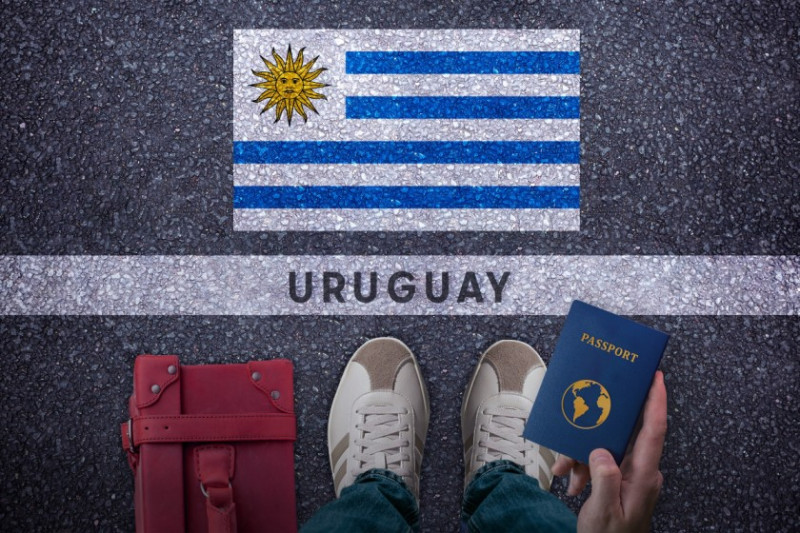
Moving to Uruguay: Residency, Visas, and Long-Term Living Guide (2025) | La Cite Realtors
Thinking about starting a new life in South America? Uruguay continues to attract international residents looking for stability, safety, and a relaxed coastal lifestyle. The country consistently ranks among the most liveable in the region thanks to its low corruption, strong institutions, and inclusive society. Whether you are a retiree, investor, or remote worker, the process of moving to Uruguay is clear and practical once you understand each step.
At La Cite Realtors, we specialise in helping newcomers find homes and settle smoothly. This guide walks you through the essentials of moving to Uruguay in 2025 including residency options, visa requirements, healthcare, taxes, and cultural integration so your transition feels structured and stress-free.
For those relocating with investment in mind, see Move to Uruguay with Confidence: Why La Cité Real Estate is the Top Choice for Foreigner Buyers.
Residency Pathways at a Glance
Uruguay offers several straightforward ways to obtain legal residency, depending on your background and goals. The most common options include temporary residence, permanent residence, Mercosur residence, and family reunification.
Temporary residence is usually the starting point and allows you to live in Uruguay while gathering documents for a longer stay. It can later be upgraded to permanent status. Mercosur residence is available to citizens of neighbouring countries such as Argentina, Brazil, and Paraguay, who benefit from simplified procedures under regional agreements. Family reunification applies to individuals joining a spouse, parent, or child who already lives legally in Uruguay.
Eligibility categories are wide-ranging. Retirees (pensionados) qualify by showing proof of a lifelong pension. Remote workers and freelancers can apply using evidence of consistent foreign income, while employees and investors may qualify through work contracts or property and business ownership. Students can obtain temporary residence linked to their course duration.
Key documents include an apostilled birth certificate, police certificates from countries where you have lived, and proof of income or insurance coverage. Most applications are processed in six to twelve months, though this varies by workload and accuracy of paperwork. Many newcomers choose to hire a local immigration lawyer who can coordinate appointments, translations, and submissions on their behalf.
Visa and Entry Options Before Applying for Residency
Entry requirements depend on nationality. Citizens of the European Union, the United Kingdom, the United States, and Canada may enter visa-free for up to 90 days as tourists. This period can be extended once, giving ample time to explore, prepare documents, and begin the residency process.
If you require a visa to enter Uruguay, apply through the nearest Uruguayan consulate before travelling. Consular staff will explain the documents needed and expected processing times. Those entering visa-free may start their residency application once in the country, provided they maintain legal immigration status.
Avoid overstaying your permitted stay, as penalties or administrative delays can follow. Keep copies of your entry stamp and receipts from any online appointments, since these will be required later during your residency submission.
Proving Economic Means
A crucial step in the residency process is showing that you can support yourself financially while living in Uruguay. The government requires proof of regular and verifiable income, which may include pension statements, employment contracts, investment income, or bank transfers from abroad.
Although there is no official minimum income threshold, most applicants aim to show at least USD 1,500 per month for a single person. Families are expected to demonstrate proportionally higher earnings. The goal is to prove steady, legitimate income that allows you to live without relying on public support.
All financial documents must be apostilled and translated into Spanish by a certified translator in Uruguay. Clear, complete paperwork will make your application faster and easier to approve.
Health Insurance and Uruguay’s Healthcare System
Uruguay provides high-quality medical care through both public and private systems. The public provider, ASSE (Administración de los Servicios de Salud del Estado), offers low-cost treatment nationwide but often involves longer waiting times.
Many expatriates prefer joining a mutualista, a private health cooperative that offers hospital access, specialist consultations, and preventive care. Monthly membership usually ranges from USD 80 to 150 per person, depending on coverage level. Members pay small co-payments for doctor visits or tests, and many mutualistas include dental, maternity, and mental-health services.
Before enrolling, maintain international travel insurance to cover you until your local plan becomes active. Pharmacies are widespread, and emergency clinics operate 24 hours in all major cities, ensuring reliable access to healthcare.
Tax Residency and Personal Taxes
Understanding your tax obligations early prevents surprises later. You are considered a tax resident in Uruguay if you spend more than 183 days per year in the country or if your primary economic or family interests are located there.
Uruguay follows a territorial tax system, meaning only income generated within Uruguay is taxable. Foreign earnings are typically exempt unless transferred into the country. This makes Uruguay particularly attractive for retirees and remote workers earning abroad.
The country has double-taxation agreements with several nations, helping you avoid paying tax twice on the same income. Local taxes on property ownership, rental income, and municipal services apply, but rates are modest. Most expatriates hire a contador (accountant) to manage annual filings, usually due mid-year.
Banking, Currency, and Payments
Uruguay’s banking sector is stable and well-regulated. To open a bank account, present your passport, proof of address (such as a lease or utility bill), and documents verifying the source of your funds. Compliance with anti-money-laundering (AML) standards is strict, so transparency is essential.
Accounts can be maintained in Uruguayan pesos (UYU) or US dollars (USD). Everyday transactions are increasingly digital, with widespread use of debit cards, credit cards, and mobile payments. Online banking is reliable, allowing residents to manage bills, send international transfers, and pay for services conveniently.
When transferring large sums, such as funds for a property purchase, ensure your bank can provide documentation proving the origin of money to meet Uruguayan compliance standards.
Housing: Renting, Buying, and Popular Neighbourhoods
Finding the right home is one of the first priorities for new arrivals. Uruguay’s rental market operates under formal agreements that specify rent amount, duration, and maintenance responsibilities. Most landlords require a guarantee (garantía), which can be issued by a bank or insurance company. Standard leases last one year with the option to renew.
If you are arriving for the first time, short-term furnished apartments offer flexibility while you explore different neighbourhoods. Once you are settled, you may prefer a long-term lease or decide to purchase property.
Foreigners have equal property-ownership rights to Uruguayans, and all purchases are handled through a licensed escribano público (notary) who ensures the title is clear of debts or disputes.
Montevideo’s Pocitos, Punta Carretas, and Cordón areas are well-connected and popular with professionals and families. Along the coast, Punta del Este, Maldonado, and Colonia del Sacramento appeal to those seeking sea views and a slower lifestyle. Working with an agency like La Cite Realtors ensures every contract and transaction is legally sound and efficiently managed.
To compare urban districts, visit Buying in Montevideo with La Cité Real Estate: Your Guide to Comparing Properties for Sale by District.
Cost of Living and Budgeting
Uruguay’s cost of living is moderate by international standards but varies by region. A single person living in Montevideo might spend USD 1,200 to 1,800 per month, including rent, food, transport, and healthcare. Families and coastal properties will increase expenses accordingly.
Utilities and broadband are reasonably priced, while fresh produce is widely available at local markets. Public transport is reliable and affordable, making car ownership optional in urban areas. Inflation averages around 6–8 per cent annually, so maintaining a savings cushion in US dollars provides stability.
Practical ways to save include using public health insurance, shopping seasonally, and renting outside the peak summer months in tourist zones.
For a closer look at everyday affordability, read Why Move to Montevideo: Culture, Healthcare, and More.
Working, Remote Work, and Business Opportunities
Uruguay encourages entrepreneurship and remote work. Digital nomads can qualify for residency by demonstrating consistent overseas income. Those employed locally must ensure their residency status includes permission to work.
Freelancers can register as unipersonales with the tax authority, while those planning to hire staff or scale operations may form an SRL (limited company) or SA (corporation). The process of setting up a business typically takes four to six weeks and requires legal and accounting assistance.
Co-working spaces and technology hubs are common in Montevideo and Punta del Este, offering reliable fibre-optic internet and networking opportunities. Social-security contributions are made through BPS (Banco de Previsión Social), which manages pensions and healthcare deductions for workers.
Education and Family Life
Education standards in Uruguay are among the best in Latin America. Families can choose between public, private, and international schools. Public schools are free, though lessons are entirely in Spanish. Private and bilingual schools provide English or French instruction and often follow international curricula such as the International Baccalaureate (IB).
Montevideo hosts several leading international schools, while Punta del Este and Colonia offer smaller academies with strong community involvement. Enrolment usually requires a birth certificate, vaccination record, and academic transcripts translated into Spanish.
For higher education, Uruguay’s universities both public and private offer recognised degrees, many with exchange programmes. Childcare centres, after-school clubs, and sports activities are plentiful, supporting family-friendly living throughout the year.
Language, Culture, and Everyday Integration
Spanish is the official language, and while many Uruguayans speak some English, learning Spanish greatly enhances integration. Language schools in Montevideo and online courses provide accessible options for beginners.
Daily life moves at a comfortable pace. Social connections often form through shared meals, football matches, and community events. Uruguayans are polite and value punctuality, respect, and personal space.
Public safety is strong compared with neighbouring countries. Petty theft can occur in busy areas, so basic awareness such as securing belongings is sufficient. The relaxed rhythm of life, combined with strong civic values, helps new residents settle quickly.
Bringing Pets and Shipping Belongings
Moving with pets to Uruguay is entirely possible with proper preparation. Dogs and cats require a microchip, updated vaccinations, and an official veterinary health certificate issued within ten days of travel. The document must be endorsed by your home country’s agricultural or veterinary authority.
Certain airlines restrict pet travel during hot or cold months, so confirm seasonal schedules before booking. Upon arrival, present your documents to customs for verification.
When shipping household goods, Uruguay allows duty-free import of used personal items for new residents. Create an itemised inventory list and coordinate timing so your shipment arrives once your residency application has begun.
If renting accommodation, mention pets early in discussions. Many landlords accept them but may ask for an additional deposit.
Residency to Citizenship: The Long-Term Outlook
After maintaining legal residence for five years, or three years if married to a Uruguayan citizen, you may apply for citizenship. Applicants must demonstrate integration into local life, basic Spanish ability, and financial self-sufficiency.
Uruguay recognises dual nationality, allowing you to retain your original passport. Maintaining clean tax records, keeping your address updated, and participating in the community will strengthen your case. The naturalisation process is transparent, reflecting the country’s inclusive approach to long-term residents.
Why Choose La Cite Realtors
For more than twenty-five years, La Cite Realtors has guided international buyers and families through Uruguay’s property and relocation process. Our bilingual team combines local expertise with global service standards, assisting clients with property searches, legal coordination, and introductions to trusted immigration and financial professionals.
We believe relocation should feel secure and well-informed. From identifying the best neighbourhoods in Montevideo to arranging your first lease or property purchase, La Cite Realtors ensures every detail is handled professionally so you can focus on enjoying your new life.
FAQs
How long does it take to obtain residency in Uruguay?
Processing usually takes six to twelve months, depending on the completeness of your documents and appointment availability. You may remain in Uruguay legally while the application is being reviewed. Starting early and using a local immigration lawyer can shorten timelines considerably.
Is knowledge of Spanish essential for living in Uruguay?
While you can manage daily tasks in English in tourist areas, learning Spanish significantly improves communication, social integration, and access to services. Many newcomers take beginner courses before arrival or join local language exchanges once settled.
Can foreigners buy property to help qualify for residency?
Yes. Foreigners can buy property with the same legal rights as citizens. Owning property may strengthen your residency application by demonstrating financial stability or investment in the country. All transactions must be verified by a licensed notary to ensure clear title.
How does the cost of living compare with Europe or North America?
Uruguay’s living costs are moderate. Everyday expenses such as utilities, transport, and healthcare are generally lower than in major European or North American cities, though imported goods can be more expensive. A comfortable lifestyle is possible on a reasonable budget, particularly outside the capital.
Is Uruguay safe for families and retirees?
Yes. Uruguay enjoys one of the lowest crime rates in Latin America, supported by effective policing and strong social cohesion. Families appreciate the high-quality education and healthcare systems, while retirees value the calm pace of life and friendly communities.
Conclusion
Moving to Uruguay is a practical and rewarding decision for anyone seeking safety, stability, and opportunity. By choosing the correct residency route, preparing documents carefully, arranging healthcare and banking, and integrating into the culture, you can build a fulfilling long-term life here.
With its transparent legal system, welcoming communities, and balanced lifestyle, Uruguay offers more than relocation it offers peace of mind.
Begin your journey today by contacting La Cite Realtors, your trusted partner for property and relocation support throughout Uruguay.