


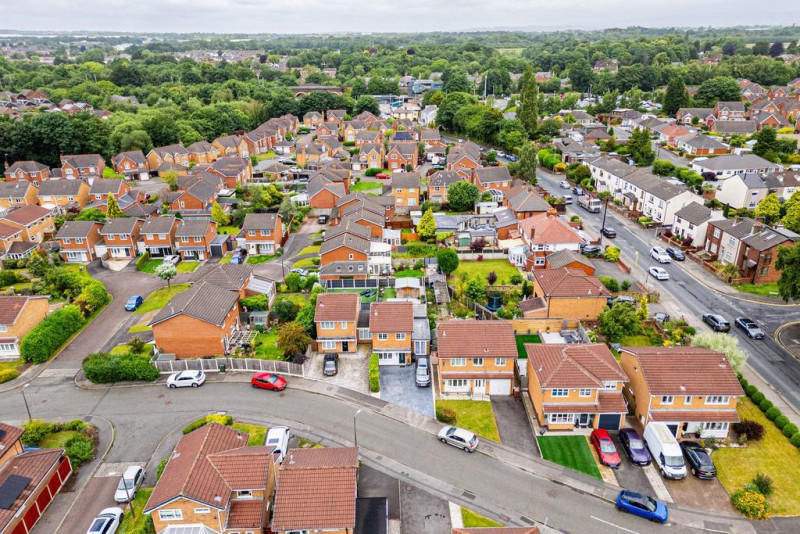
Buying a home is one of the biggest financial decisions you'll ever make. If you're planning to purchase a property in Rochdale, understanding each stage of the process will help you move forward with confidence and avoid expensive mistakes along the way.
The good news? Once you break the journey down into clear steps, buying a house becomes far less overwhelming. From setting your budget through to completion day, this guide walks you through everything you need to know about buying a property in Rochdale.
Setting Your Budget
Before you start browsing property listings, you need to know exactly how much you can afford. Setting a realistic budget early helps you focus your search on homes within reach and prevents disappointment later.
Start by reviewing your finances honestly. Look at your savings, monthly income and existing commitments. Most mortgage lenders will allow you to borrow around four to five times your annual salary, though this varies depending on your deposit size, credit history and outgoings.
Remember that the purchase price is only part of the cost. You'll also need to budget for:
- Solicitor fees (typically £850 to £1,500 in Greater Manchester)
- Survey costs (£250 to £1,000 depending on type)
- Stamp Duty Land Tax (if your purchase exceeds the threshold)
- Removal costs
- Initial repairs or furnishings
A financial adviser or mortgage broker can help you understand what's realistic for your circumstances. Getting this step right at the beginning will save you time and stress as you move through the process.
Sample Rochdale Purchase Breakdown
To help you understand the full financial picture, here's a worked example based on a typical Rochdale property purchase in 2026:
Item | Amount |
|---|---|
Property price (terraced house, Castleton) | £180,000 |
Deposit (10%) | £18,000 |
Mortgage amount | £162,000 |
Stamp Duty Land Tax | £0 (under threshold for first-time buyers) |
Solicitor and conveyancing fees | £1,200 |
HomeBuyer survey | £450 |
Removal costs | £400 |
Total cash needed upfront | £20,050 |
This example shows that even with a relatively modest property price, you need to budget well beyond your deposit to cover all associated costs.
Getting a Mortgage in Principle
Once you know your budget, arrange a Mortgage in Principle (sometimes called an Agreement in Principle or Decision in Principle). This is a statement from a lender confirming how much they're willing to lend you, based on an initial assessment of your finances.
Having a Mortgage in Principle before you start viewing properties shows sellers and estate agents that you're a serious buyer. It can strengthen your position when you make an offer, particularly in competitive situations where multiple buyers are interested.
You can apply directly through banks or building societies, or work with a mortgage broker who can compare products across the market. The application typically involves a soft credit check and basic financial questions. Most Agreements in Principle are valid for 60 to 90 days.
Keep in mind that this isn't a guaranteed mortgage offer. The lender will conduct a full assessment later, including a detailed valuation of the property you want to buy. Still, having this confirmation early gives you a realistic sense of what you can afford and reassures sellers that you're ready to proceed.
Mortgage applications typically take two to four weeks from submission to receiving a formal offer, so factor this into your timeline when planning your purchase.
Researching Rochdale Neighbourhoods
Rochdale offers a diverse range of neighbourhoods, each with its own character and advantages. Taking time to research different areas helps you find somewhere that suits your lifestyle, work commute and long-term plans.
Think about what matters most to you. Are you looking for good schools nearby? Do you need easy access to the town centre or motorway links? Would you prefer a quieter residential street or somewhere closer to shops and amenities?
Rochdale Area Comparison
Here's an overview of popular Rochdale neighbourhoods to help focus your search:
Castleton
- Typical properties: Victorian and Edwardian terraced houses, some semi-detached
- Price range: £150,000 to £220,000 for terraced homes
- Transport: Regular bus services to Rochdale and Manchester, close to M62
- Schools: Several primary schools rated Good by Ofsted, including Castleton Primary
- Character: Established residential area with local shops and community feel
Milnrow
- Typical properties: Mix of terraced, semi-detached and modern developments
- Price range: £180,000 to £280,000
- Transport: Metrolink tram service to Manchester city centre, excellent motorway access
- Schools: Newlands Primary rated Good, nearby secondary schools in Rochdale
- Character: Village atmosphere with good amenities and green spaces
Littleborough
- Typical properties: Stone-built terraces, cottages and larger detached homes
- Price range: £200,000 to £400,000+
- Transport: Direct train services to Manchester Victoria, close to M62
- Schools: Multiple Good-rated primaries, strong local reputation
- Character: Sought-after Pennine village with independent shops and countryside access
Rochdale Town Centre
- Typical properties: Period terraces, converted flats, new-build apartments
- Price range: £120,000 to £200,000
- Transport: Central bus station, Metrolink terminus, excellent connectivity
- Schools: Varied, with several primaries and secondaries within walking distance
- Character: Urban setting with shopping, entertainment and regeneration projects
Wardle
- Typical properties: Semi-detached and detached family homes, some new builds
- Price range: £220,000 to £350,000
- Transport: Bus routes to Rochdale and surrounding areas, short drive to M62
- Schools: Wardle Academy rated Good, popular with families
- Character: Residential suburb with parks, local facilities and family-friendly environment
Visit areas at different times of day to get a feel for the neighbourhood. Walk around, check local facilities and consider how the location fits with your daily routine. Speak to people who already live there if you get the chance.
Finding the Right Property
With your budget set and your preferred areas identified, you can start viewing properties. Register with local estate agents, set up alerts on property portals and keep an eye on new listings as they appear.
When you arrange viewings, take your time to assess each property carefully. Look beyond the staging and decoration to consider:
- The overall condition and any obvious repairs needed
- The layout and how it works for your needs
- Natural light and room sizes
- Storage space
- Outside space and parking
- Potential for future improvements
Don't be afraid to ask questions during viewings. Why is the seller moving? How long has the property been on the market? Have there been any issues with damp, subsidence or other structural concerns?
Take notes and photos (with permission) so you can compare properties later. It's easy to forget details after viewing several homes in quick succession.
Making an Offer
When you find a property you want to buy, you'll make an offer through the estate agent. Your offer can be below, at or above the asking price depending on the property's condition, how long it's been on the market and local demand.
Your estate agent can provide valuable guidance on what represents a fair offer based on recent sales in the area. Consider factors like comparable properties that have sold recently, any work the property needs and your maximum budget.
Be prepared to negotiate. Sellers may counter your initial offer, and you might go back and forth a few times before agreeing on a final price. Stay within your budget and don't let emotions push you beyond what you can comfortably afford.
Once your offer is accepted, the property is typically marked as "sold subject to contract" or "under offer". At this stage, nothing is legally binding. Either party can still walk away until contracts are exchanged, so keep your mortgage application moving and maintain communication with all parties involved.
Arranging a Survey
After your offer is accepted, arrange a property survey. While your mortgage lender will conduct a basic valuation to confirm the property is worth what you're paying, this is not the same as a full survey and won't identify potential problems.
There are three main types of survey:
Condition Report: The most basic option, suitable for newer properties in good condition. It provides an overview of the property's condition and highlights urgent defects.
HomeBuyer Report: A mid-level survey covering the property's condition, any significant defects and advice on repairs and maintenance. This is the most popular choice for standard homes and typically costs between £400 and £600 in Rochdale.
Building Survey: The most comprehensive (and expensive) option, recommended for older properties, those in poor condition or if you're planning major works. It provides a detailed analysis of the property's construction and condition. Expect to pay £600 to £1,000 or more.
For older Rochdale terraced houses, particularly Victorian or Edwardian properties, many buyers opt for at least a HomeBuyer Report. These homes can have issues like damp, outdated wiring or roof problems that aren't obvious during a viewing.
The survey may reveal issues that weren't obvious during your viewing. Depending on what's found, you might renegotiate your offer, ask the seller to carry out repairs before completion or decide to walk away entirely. This is why you shouldn't commit to anything legally binding until the survey is complete.
Instructing a Solicitor and Conveyancing
Conveyancing is the legal process of transferring property ownership from seller to buyer. You'll need to instruct a solicitor or licensed conveyancer to handle this on your behalf as soon as your offer is accepted.
Your conveyancer will:
- Conduct local authority searches (planning, environmental, water and drainage)
- Review the property's title deeds and ownership history
- Check for planning issues, restrictions or rights of way
- Raise enquiries with the seller's solicitor about any concerns
- Handle the transfer of funds on completion day
- Register you as the new owner with the Land Registry
Choose a conveyancer experienced in residential property who communicates clearly and responds promptly. Your estate agent may be able to recommend local firms they've worked with successfully. Solicitor fees in Greater Manchester typically range from £850 to £1,500 plus disbursements (search fees and other costs).
The conveyancing process in Rochdale typically takes eight to twelve weeks from offer acceptance to exchange of contracts, though this can vary. Delays often occur when searches reveal issues, when there's a chain of buyers and sellers or when either party is slow to respond to enquiries.
Stay in regular contact with your solicitor and respond quickly to any requests for information or documents. The faster you provide what's needed, the smoother the process runs.
Exchanging Contracts
Once all searches are complete, your mortgage is formally approved and both parties are satisfied with the terms, you'll exchange contracts. This is the point at which the sale becomes legally binding.
On exchange, you'll pay a deposit, usually 10 per cent of the purchase price, which your solicitor transfers to the seller's solicitor. You'll also agree on a completion date, which is when the remaining money is transferred and you receive the keys.
After exchange, neither party can back out without serious financial penalties. If you withdraw, you'll lose your deposit. If the seller withdraws, they must return your deposit plus additional compensation.
The gap between exchange and completion is typically one to two weeks, though it can be shorter or longer depending on what both parties agree. This gives you time to finalise removal arrangements and tie up any remaining loose ends.
Completion Day and Moving In
Completion day is when everything comes together. Your solicitor will transfer the remaining funds (your mortgage money plus any additional cash from you) to the seller's solicitor. Once they confirm receipt, the property is officially yours.
Your solicitor or the estate agent will contact you to confirm completion has happened, usually by mid-afternoon. You can then collect the keys and move into your new home.
On completion day:
- Utility readings are taken and suppliers are notified of the change
- Buildings insurance must be in place from the moment you own the property
- Your solicitor registers the property in your name with the Land Registry
- Any remaining balance on your purchase costs is settled
Most people arrange for removal companies to be on standby, ready to move belongings once completion is confirmed. Have a plan B in case completion is delayed, as occasional hold-ups can push things back by a day.
Key Deadlines and Timelines
Understanding typical timeframes helps you plan your Rochdale house purchase realistically:
Mortgage Application to Offer: Two to four weeks from submission to receiving a formal mortgage offer, assuming no complications with your finances or the property valuation.
Offer to Exchange: Eight to twelve weeks is standard for Rochdale purchases. This covers surveys, searches, raising and answering enquiries, and finalising your mortgage. Chain-free purchases or cash buyers may complete faster. Complex situations or chains can extend this significantly.
Exchange to Completion: One to two weeks is typical, though same-day exchange and completion is possible in straightforward cases. Both parties must agree on the completion date at exchange.
Total Timeline: From offer acceptance to moving in, expect three to four months on average. First-time buyers often complete faster than those in chains.
Build buffer time into your plans. Unforeseen issues like survey problems, legal complications or delays from other parties in a chain can add weeks to the process.
Your Rochdale Buying Checklist
Use this checklist to track your progress and ensure nothing is missed:
Before You Start
- [ ] Review your finances and calculate your budget
- [ ] Save for deposit plus additional costs (surveys, fees, removals)
- [ ] Check your credit report and address any issues
- [ ] Research Rochdale neighbourhoods and prioritise areas
Getting Ready to Buy
- [ ] Obtain a Mortgage in Principle
- [ ] Register with local estate agents and property portals
- [ ] Book viewings and assess properties thoroughly
- [ ] Identify your preferred property
Making Your Offer
- [ ] Research comparable property prices in the area
- [ ] Submit your offer through the estate agent
- [ ] Negotiate if necessary and confirm acceptance in writing
Legal and Financial Steps
- [ ] Instruct a solicitor or conveyancer
- [ ] Arrange your chosen property survey
- [ ] Submit full mortgage application
- [ ] Respond promptly to solicitor's enquiries
- [ ] Review survey report and renegotiate if issues found
- [ ] Receive formal mortgage offer
Exchange and Completion
- [ ] Review and sign contracts
- [ ] Transfer deposit to your solicitor
- [ ] Agree completion date
- [ ] Exchange contracts
- [ ] Arrange buildings insurance from completion date
- [ ] Book removal company
- [ ] Arrange final mortgage funds transfer
- [ ] Complete purchase and collect keys
After Completion
- [ ] Register with utility providers
- [ ] Update your address with banks, DVLA, electoral roll
- [ ] Pay Stamp Duty Land Tax (if applicable) within 14 days
- [ ] Set up council tax payments with Rochdale Borough Council
Working with Local Estate Agents
Buying a property involves multiple stages, decisions and potential challenges. Working with experienced local estate agents can make the process much smoother.
At Face to Face Estate Agents, we've been helping buyers across Rochdale find their ideal homes for years. Our knowledge of local neighbourhoods, current market conditions and realistic pricing means we can guide you towards properties that genuinely match your needs and budget.
Whether you're a first-time buyer navigating the process for the first time or an experienced purchaser looking for your next home, local expertise makes a real difference. We can connect you with trusted local solicitors, surveyors and mortgage brokers, and we'll support you through every stage until you have the keys in your hand.
If you're ready to start your Rochdale property search, get in touch with our team. We're here to help you find the right home and make your purchase as straightforward as possible.
Frequently Asked Questions
What is the average house price in Rochdale in 2026?
Average house prices in Rochdale vary significantly by area and property type. Terraced houses in areas like Castleton typically range from £150,000 to £220,000, while semi-detached family homes in suburbs like Wardle command £220,000 to £350,000. Littleborough, with its sought-after Pennine location, sees higher prices from £200,000 to over £400,000. Town centre properties, including flats and apartments, generally range from £120,000 to £200,000. These are indicative ranges based on local market conditions at the time of writing, and specific prices depend on property condition, size and exact location.
How long does conveyancing take locally in Rochdale?
Conveyancing in Rochdale typically takes eight to twelve weeks from offer acceptance to exchange of contracts. This timeframe covers local authority searches, title checks, raising enquiries and finalising your mortgage. Chain-free purchases or cash buyers sometimes complete faster, while properties in a chain or those with legal complications may take longer. Choosing a responsive local solicitor and providing documents promptly helps keep things moving. After exchange, completion usually follows within one to two weeks.
Do I need a survey on an older Rochdale terraced house?
Yes, a survey is highly recommended for older terraced properties in Rochdale, particularly Victorian and Edwardian homes. While your mortgage lender will conduct a basic valuation, this doesn't assess the property's condition in detail. Older terraced houses can have issues like damp, roof problems, outdated electrical systems or structural movement that aren't obvious during viewings. A HomeBuyer Report (typically £400 to £600) provides a good level of detail for most terraced homes. For properties in poor condition or if you're planning major renovations, a full Building Survey is worth the extra cost.
What are council tax bands in Rochdale?
Rochdale properties are assigned council tax bands from A to H based on their value in 1991. Most terraced houses fall into bands A or B, while larger semi-detached and detached homes typically sit in bands C to E. Annual council tax charges for 2026 vary by band, with Rochdale Borough Council setting specific rates each year. You can check a property's council tax band on the government's website before you buy, and this should factor into your ongoing budget calculations. Council tax is paid to Rochdale Borough Council and covers local services.
Are there Help to Buy schemes available in Rochdale?
Help to Buy schemes have evolved over recent years. The Help to Buy equity loan scheme for new-build properties in England closed to new applicants in October 2022. However, other support remains available for buyers in Rochdale. First-time buyers benefit from Stamp Duty relief on properties up to £425,000, paying no Stamp Duty on the first £300,000. Shared ownership schemes may be available through local housing associations, allowing you to buy a percentage of a property and pay rent on the remainder. Individual lenders also offer specific first-time buyer mortgages with lower deposit requirements. Speak to a mortgage adviser about current options for your circumstances.
What are typical solicitor fees in Greater Manchester?
Solicitor and conveyancing fees in Greater Manchester, including Rochdale, typically range from £850 to £1,500 for a standard residential purchase. This covers the legal work but excludes disbursements such as search fees (£250 to £400), Land Registry fees, bankruptcy searches and money transfer fees. Total legal costs including disbursements usually come to £1,200 to £2,000 depending on the property price and complexity. More complicated purchases, such as leasehold properties, shared ownership or unregistered land, may cost more. Always ask for a full quote upfront so you understand exactly what's included and what additional costs to expect.