


Quick Summary
- Foreigners can legally own rural land in Uruguay with no restrictions
- Chacras suit lifestyle buyers and small scale investment strategies
- Prices remain steady rather than speculative
- Legal procedures are clear but must be followed properly
- The right local guidance prevents costly valuation and zoning mistakes
Uruguay keeps showing up on serious buyers’ radar for one reason. It works.
Foreign investors looking for land want fewer surprises, fewer restrictions, and laws that hold up when money is on the table. Uruguay delivers that. You can buy rural land outright. Titles are clear. Contracts are enforced. And the market does not swing wildly every few years.
Buying a farm or chacra in Uruguay is not about chasing quick gains. Most buyers we speak to want stability, land they understand, and a country where ownership actually means ownership. This guide explains how the process really works, what properties cost, where buyers get caught out, and how to move from interest to ownership without overpaying.
Why Foreign Buyers Are Choosing Uruguay for Rural Property
Uruguay is not loud about itself, and that is part of the appeal.
Foreign buyers are treated the same as locals under the law. There are no ownership caps, no residency requirements, and no special permissions needed to buy agricultural land. That alone puts Uruguay ahead of most regional alternatives.
Add to that a stable agricultural economy built on beef, forestry, soy, wine, and export driven production, and you get a market that attracts patient capital. Buyers are not trying to flip land in twelve months. They are looking for something that holds value and stays predictable.
For investors diversifying out of volatile markets, Uruguay feels familiar in the best way. Rules are followed. Paperwork matters. The system works.
What Is a Chacra and Why Buyers Prefer Them
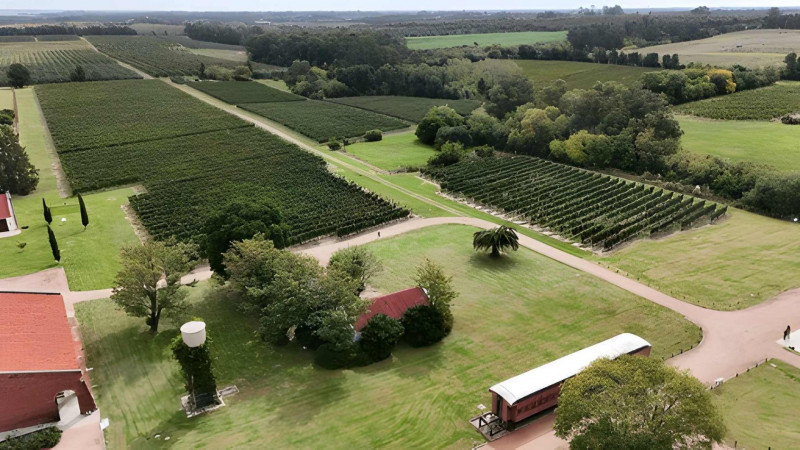
A chacra is usually a smaller rural property. Think a few hectares up to several dozen. These properties are popular because they are manageable, flexible, and easier to understand for buyers without a farming background.
Most foreign buyers use chacras for residential living, vineyards, olive groves, horse property, eco tourism projects, or simply as land close to cities or the coast. They are not industrial farms. They are land you can live on or work with at a human scale.
The flexibility is the draw. Depending on zoning, a chacra can serve personal use today and income generation later. That adaptability is why chacras for sale in Uruguay continue to attract international buyers year after year.
Uruguay Rural Property Prices and Market Reality
This is where buyers want straight answers.
Prices vary widely based on region, soil quality, access, water, and distance to Montevideo or coastal hubs. There is no single price per hectare that applies nationwide.
In this year, lifestyle focused chacras near Maldonado, Canelones, and coastal zones typically trade at a higher premium due to demand and limited supply. Buyers looking inland for agricultural land will see lower per hectare pricing but must factor in productivity, infrastructure, and long term use.
Uruguay does not experience dramatic price spikes. Appreciation is steady, not speculative. That is good for buyers who value capital preservation over hype. Limited supply of well located rural land continues to support pricing, especially close to urban centers.
The biggest mistake foreign buyers make is assuming all rural land is priced the same. It is not. Two properties with similar size can differ drastically in value once soil quality and permitted use are considered.
Legal Ownership Rules for Foreign Buyers
This is one of Uruguay’s strongest points.
Foreign buyers can purchase rural land under exactly the same conditions as Uruguayan citizens. There are no restrictions on land size, no ownership limits, and no requirement to hold residency or a visa.
Every transaction is handled through a notary known locally as an escribano. The notary verifies ownership history, checks for liens or debts, confirms zoning and land use, and prepares the final deed. This system offers strong protection, but it only works if the professionals involved know rural property well.
Problems usually arise when buyers rush or rely on incomplete information. Proper due diligence is not optional. It is the difference between a clean purchase and years of issues.
Step by Step Process to Buy a Farm or Chacra
The process starts with selecting a property that fits your actual goals, not just what looks good in photos. Investment land, lifestyle land, and agricultural land all follow the same legal process, but they do not carry the same risks.
Once a property is selected, a reservation or purchase agreement is signed and due diligence begins. The notary reviews title history, zoning, land use permissions, access rights, water availability, and tax records.
After due diligence is completed, the final deed is signed, funds are transferred, and the property is registered in the buyer’s name. For foreign buyers, the full process usually takes between thirty and sixty days if documentation and funds are ready.
Many buyers complete purchases remotely with proper representation.

Costs and Taxes You Should Actually Budget For
Transaction costs in Uruguay are reasonable, but they should never be guessed.
Buyers should plan for transfer taxes, notary fees, registration costs, and agency fees. Together, these usually fall into a predictable range, but foreign buyers often underestimate them simply because no one explains them clearly upfront.
Ongoing costs are generally low. Rural property taxes are modest, and maintenance expenses depend entirely on land use and improvements.
The key is transparency before committing. Surprises usually happen when buyers move too quickly or rely on assumptions from other countries.
Why Work With La Cite Real Estate
Buying rural property abroad is not the same as buying an apartment in a city.
La Cite Real Estate focuses on farms and chacras and works with foreign buyers every day. That matters. Rural land requires understanding soil quality, zoning, access, and long term potential, not just price per hectare.
Clients work with professionals who explain what land can realistically be used for, what it is worth today, and what problems to avoid. La Cite coordinates closely with trusted notaries, legal advisors, and technical experts to ensure transactions move forward correctly.
Most buyers come in with a general idea. They leave with a clear plan and a property that fits it.
Best Regions to Buy a Chacra in Uruguay
Maldonado attracts buyers focused on lifestyle and tourism driven projects. Proximity to Punta del Este and the coast keeps demand strong.
Canelones appeals to buyers who want rural space without losing access to Montevideo. It is practical and consistently popular.
Colonia draws European buyers looking for heritage, charm, and strong resale demand.
Rocha offers privacy, natural surroundings, and long term growth potential for buyers willing to think ahead rather than rush.
Each region behaves differently. Choosing well depends on matching land to purpose, not following trends.
Real Risks Foreign Buyers Should Not Ignore
Uruguay is low risk, not zero risk.
Soil quality, water access, zoning restrictions, and infrastructure must all be checked. A property that looks perfect can be unsuitable for your intended use.
Overpaying is another common issue. Foreign buyers unfamiliar with local pricing sometimes rely on asking prices rather than real market value. This is where experienced representation protects you.
Most problems are avoidable. They happen when buyers skip steps or assume rural property works the same everywhere.
Frequently Asked Questions
Can foreigners legally buy agricultural land in Uruguay?
Yes. Foreigners have the same ownership rights as citizens. There are no restrictions on size, location, or land type.
Is buying a farm or chacra a good investment?
For buyers focused on stability and long term value, yes. Uruguay favors steady appreciation and wealth preservation rather than speculation.
How long does the buying process take?
Most transactions complete within one to two months once due diligence begins.
Do I need residency or a visa?
No. Property ownership does not require residency, and many buyers purchase remotely.
Can chacras be used for tourism or business?
Often yes, but zoning varies. This must be confirmed before purchase, not after.
Next Step If You Are Seriously Considering Buying
If you are at the stage where you want to see real farms and chacras currently available, the next step is simple.
Visit https://www.laciteuruguay.com/ to review active listings suitable for foreign buyers and speak with specialists who deal with rural property transactions every day.
You do not need to be ready to buy today. You do need clear information, accurate pricing, and guidance grounded in actual transactions. That is where good decisions start.