


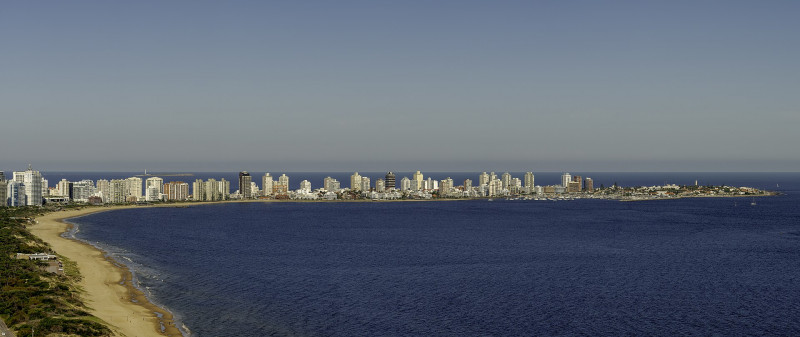
Buying investment property in Uruguay can look straightforward from overseas. Foreign buyers can access the market, property is commonly priced in US dollars, and locations such as Montevideo and Punta del Este offer very different rental and resale opportunities.
The harder part is deciding what type of investment you actually want. A long-term apartment in Montevideo behaves very differently from a seasonal property in Punta del Este, while a historic home in Colonia del Sacramento brings another set of considerations around tourism demand, maintenance and resale.
International investors also need to understand the purchase process, property transfer tax, rental taxation, management costs and who will look after the property when they are outside Uruguay.
La Cité Real Estate has operated in Uruguay since 1993 and works with international buyers across Punta del Este, Montevideo and the wider coastal market. Its services extend beyond property sales to relocation and ongoing property management, which is particularly relevant for overseas investors.

Why International Investors Consider Uruguay
Uruguay offers a relatively open environment for international investment. Uruguay XXI states that foreign investors receive the same incentives as domestic investors and that there are no restrictions on transferring profits abroad.
Read Uruguay XXI's 2026 investor guidance.
For property buyers, the attraction is also geographic. Montevideo provides an established year-round rental market, Punta del Este combines permanent residents with strong seasonal demand, and Colonia del Sacramento offers a smaller heritage-led market with a very different buyer profile.
There is no single best investment location. The right choice depends on whether your priority is regular rental income, seasonal income, personal use, long-term capital preservation or a combination of these.
Montevideo: The Year-Round Investment Market

Montevideo is generally the more balanced starting point for investors who want demand throughout the year rather than relying heavily on a summer season.
Neighbourhoods such as Pocitos, Carrasco and Punta Carretas attract different tenants and buyers. Pocitos is strongly apartment-focused and benefits from the Rambla, beach, shops and everyday services. Carrasco offers larger homes and a more spacious residential environment, while Punta Carretas combines urban convenience with coastal access.
La Cité's current Montevideo guidance places property values broadly between approximately US$2,000 and US$4,500 per square metre depending on location, building quality, condition and property type. These figures should be treated as market guidance rather than a valuation for an individual home.
Read La Cité's Montevideo Real Estate Guide.
Punta del Este: Seasonal Demand and International Buyers

Punta del Este is more seasonal, but it also attracts a much wider international buyer and visitor base.
Playa Brava, Playa Mansa, Peninsula, Golf, Beverly Hills and Rincón del Indio all offer different types of ownership. An investor comparing two apartments at the same asking price should look closely at sea views, floor level, orientation, parking, building amenities and monthly gastos comunes.
La Cité's current inventory demonstrates how much prices vary. Its live portfolio includes two-bedroom apartments in Brava from around US$380,000 and a two-bedroom apartment in Mansa from approximately US$440,000, alongside substantially higher-value houses and premium developments.
Browse current La Cité properties for sale in Uruguay.
These are current asking examples, not completed sale prices or guaranteed investment returns. Investors should assess each property individually.
Colonia del Sacramento: A Smaller Heritage Market

Colonia del Sacramento is a very different proposition from Montevideo or Punta del Este.
Its historic centre and ferry links with Buenos Aires support tourism, but the investment market is smaller and generally less liquid than Uruguay's two largest property destinations.
For investors, that makes property selection especially important. A distinctive heritage property may have strong lifestyle appeal, but maintenance, renovation restrictions, seasonal booking patterns and resale demand should all be considered before purchase.
Read La Cité's guide to investment property in Colonia del Sacramento.
Uruguay Investment Locations at a Glance
| Location | Investment Character | What to Check |
|---|---|---|
| Montevideo | Year-round city rental market | Neighbourhood, building costs, tenant profile and resale demand |
| Punta del Este | International coastal and seasonal market | Seasonality, amenities, management and gastos comunes |
| Colonia del Sacramento | Heritage and tourism-led niche market | Liquidity, maintenance, heritage restrictions and visitor demand |
Can Foreigners Buy Investment Property in Uruguay?
Foreign buyers can generally purchase residential property in Uruguay without first becoming permanent residents.
Property ownership, immigration status and tax residency are separate issues. Buying a home does not automatically create residency rights, so investors planning to relocate should consider the property purchase and residency process alongside one another.
Read La Cité's guide to buying property in Uruguay as a foreigner.
How the Property Purchase Process Works
- Define the investment strategy. Decide whether you want long-term rent, seasonal income, personal use or future resale.
- Compare real properties. Look beyond national price averages and compare actual buildings, neighbourhoods and running costs.
- Appoint an independent escribano. The escribano plays a central role in checking title and completing the legal transfer.
- Review the property's legal and tax position. Confirm ownership, charges and outstanding obligations before completion.
- Budget for acquisition costs. Include professional fees, ITP, registration and banking costs rather than looking only at the asking price.
- Plan post-purchase management. Overseas owners should decide who will inspect, maintain and administer the property once they leave Uruguay.
What Property Transfer Tax Does the Buyer Pay?
Uruguay's Impuesto a las Transmisiones Patrimoniales, commonly referred to as ITP, applies to property transfers.
The Dirección General Impositiva currently states that the rate on an onerous property transfer is 2% for the buyer and 2% for the seller. For real estate, the taxable basis is linked to the real value established by the Dirección Nacional de Catastro and adjusted under the applicable rules.
Check the current DGI guidance on ITP.
This is why applying a simple percentage to the advertised purchase price can be misleading. Investors should ask their escribano for an itemised transaction estimate based on the exact property.
How Rental Income Is Taxed for Non-Residents
A property should not be assessed only on gross rent.
Uruguay's DGI states that a non-resident individual receiving rental income from Uruguayan property is subject to IRNR rather than resident IRPF.
Where a withholding agent is involved, such as an estate agency, the current withholding is calculated at 10.5% of rental income. Where there is no withholding agent, the non-resident owner is responsible for making the corresponding advances.
Read the current DGI rental-income guidance.
Do Not Confuse Gross Yield with Net Return
A property advertised with an attractive rental figure can look very different once the recurring costs are included.
Investors should account for gastos comunes where applicable, property tax, insurance, repairs, furnishings, cleaning, vacancy, management and rental tax.
This is particularly important in Punta del Este. A building with pools, gyms, security, reception staff and extensive communal landscaping can have significantly higher monthly charges than a simpler residential building.
Property Management for Overseas Investors
The investment does not end when the purchase completes.
La Cité's property management service is led by Lucía Moreira, whom the company identifies as a licensed estate agent with more than 12 years of experience managing residential and seasonal property along Uruguay's southeastern coast.
La Cité states that the service supports more than 80 repeat clients from countries including the United Kingdom, United States, Canada, France and Brazil. Its published service includes twice-weekly property inspections, written and photographic reporting, utility monitoring, maintenance coordination and monthly financial statements.
Explore La Cité's property management service.
Considering an investment property in Uruguay?
Browse current properties with La Cité Real Estate and compare opportunities in Punta del Este, Montevideo and other Uruguayan markets.
For direct advice, call the Punta del Este office on +598 4244 5368 or email lacite@lacite.com.uy.
Frequently Asked Questions
Can foreigners buy investment property in Uruguay?
Yes. Foreign buyers can generally purchase residential property without first becoming Uruguayan residents. Property ownership and immigration status should be treated as separate matters.
Is Montevideo or Punta del Este better for investment?
Montevideo generally offers a stronger year-round rental environment, while Punta del Este has greater exposure to seasonal and international demand. The right choice depends on the property, tenant strategy and how much personal use you expect.
What is the buyer's ITP rate in Uruguay?
DGI currently applies a 2% ITP rate to the buyer in an onerous property transfer. The tax base follows the applicable cadastral valuation rules, so your escribano should calculate the amount for the individual transaction.
How is rental income taxed for a non-resident owner?
Non-resident individuals pay IRNR on Uruguayan rental income. DGI currently states that rental withholding or monthly advances are calculated at 10.5% of rental income.
Do I need property management if I live overseas?
It is not legally mandatory, but it can be highly practical. A local management service can inspect the property, coordinate repairs, monitor utilities and assist with tenants while the owner is abroad.
Building a Better Uruguay Property Investment
The strongest Uruguay property investment is not necessarily the property with the highest advertised rent or the most impressive sea view.
It is the property where purchase price, location, tenant demand, taxation, recurring costs, management and resale prospects work together.
Compare Montevideo and Punta del Este carefully. Treat Colonia as a separate niche market. Review the legal and tax position before buying, and calculate the return after management and ownership costs rather than relying only on gross rental income.
Speak to La Cité Real Estate about current investment property opportunities in Uruguay or call +598 4244 5368.