Calle 28 y Gorlero, Punta del Este,, 20100, Punta del Este, Maldonado, Uruguay, 20100
lacite@lacite.com.uy
0059842445368
Living in Uruguay: Lifestyle, Healthcare, Climate and Everyday Life for Expats
19th August 2026
Home > News > Living in Uruguay: Lifestyle, Healthcare, Climate and Everyday Life for Expats
Quick Summary
Living in Uruguay can appeal to people looking for political stability, coastal access, established healthcare and a more measured pace of everyday life.
Uruguay is not universally inexpensive. Imported products and energy can cost more than newcomers expect, so lifestyle choices make a major difference to monthly spending.
Healthcare operates through Uruguay's integrated national system, including public services and private collective providers known as IAMCs or mutualistas.
Uruguay has four genuine seasons. Summers are warm, while winter in Montevideo can feel cool, humid and windy.
Montevideo provides the broadest mix of healthcare, education, culture and year round services, but Pocitos, Punta Carretas and Carrasco offer distinctly different ways of living.
Fibre internet and established public transport make everyday life practical in much of urban Montevideo.
Before buying a permanent home, serious relocators should test their preferred neighbourhood during normal weekday life and, ideally, during more than one season.
Living in Uruguay: What Everyday Life Is Really Like
You can research property prices in Montevideo, compare residency requirements and read about Uruguay's coastline for months.
None of those things tells you whether you will enjoy living there on an ordinary Tuesday in July.
That is the question international buyers eventually have to answer.
Can you walk to the places you use every week? How far will you travel for healthcare? Will your home feel comfortable during a damp winter? Do you want an apartment beside the Rambla or more space in Carrasco? How dependent will you be on a car?
Then there is the financial reality. What will groceries, electricity, healthcare and building expenses actually do to your monthly budget once the excitement of relocating has settled?
For Americans and Canadians considering living in Uruguay, these practical questions are often more important than the property itself.
Living in Uruguay generally means a temperate climate with four seasons, strong access to the coast, an established healthcare system, good urban connectivity and a more relationship focused daily rhythm than many people experience in North America. The trade off is that Uruguay is not a universally inexpensive destination, Spanish matters for integration and choosing the wrong neighbourhood can have a significant effect on your experience.
That is why lifestyle should be tested before property decisions become permanent.
Uruguay does not offer one single expat lifestyle.
Montevideo feels very different from Punta del Este. Carrasco feels very different from Pocitos. A smaller coastal town can feel completely different again.
The country can work particularly well for people who value:
proximity to the coast;
a slower daily rhythm;
neighbourhood cafés and restaurants;
outdoor time;
relatively compact urban living;
strong family and social culture;
access to established healthcare;
political and institutional stability; and
four seasons without the severe winter conditions found across much of Canada and the northern United States.
However, someone looking for constant big city activity, extremely low living costs or an English speaking environment may have to adjust their expectations.
The question is therefore not whether Uruguay has a high quality of life in the abstract. It is whether its version of everyday life matches yours.
What Does Everyday Life in Uruguay Feel Like?
One of the first changes North American arrivals notice is often the rhythm of the day.
Social interaction tends to carry more weight. Meals can last longer. Family gatherings are important. People spend considerable time outdoors when the weather allows.
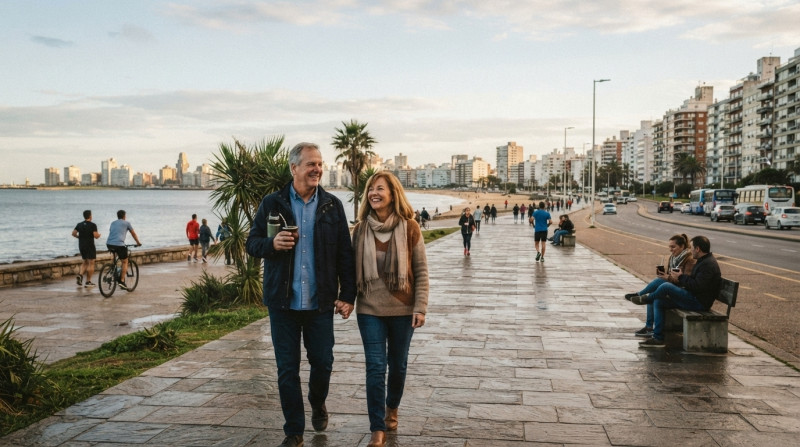
The national culture around mate, the herbal infusion traditionally carried with a gourd and thermos, reflects this social character particularly well.
You see mate everywhere. People drink it while:
walking;
sitting beside the water;
talking with friends;
watching sport;
spending time in parks; and
relaxing at home.
For somebody relocating from a highly scheduled lifestyle, Uruguay can initially feel slower.
Whether that feels frustrating or refreshing depends on the individual.
The Rambla Is Part of Daily Life in Montevideo
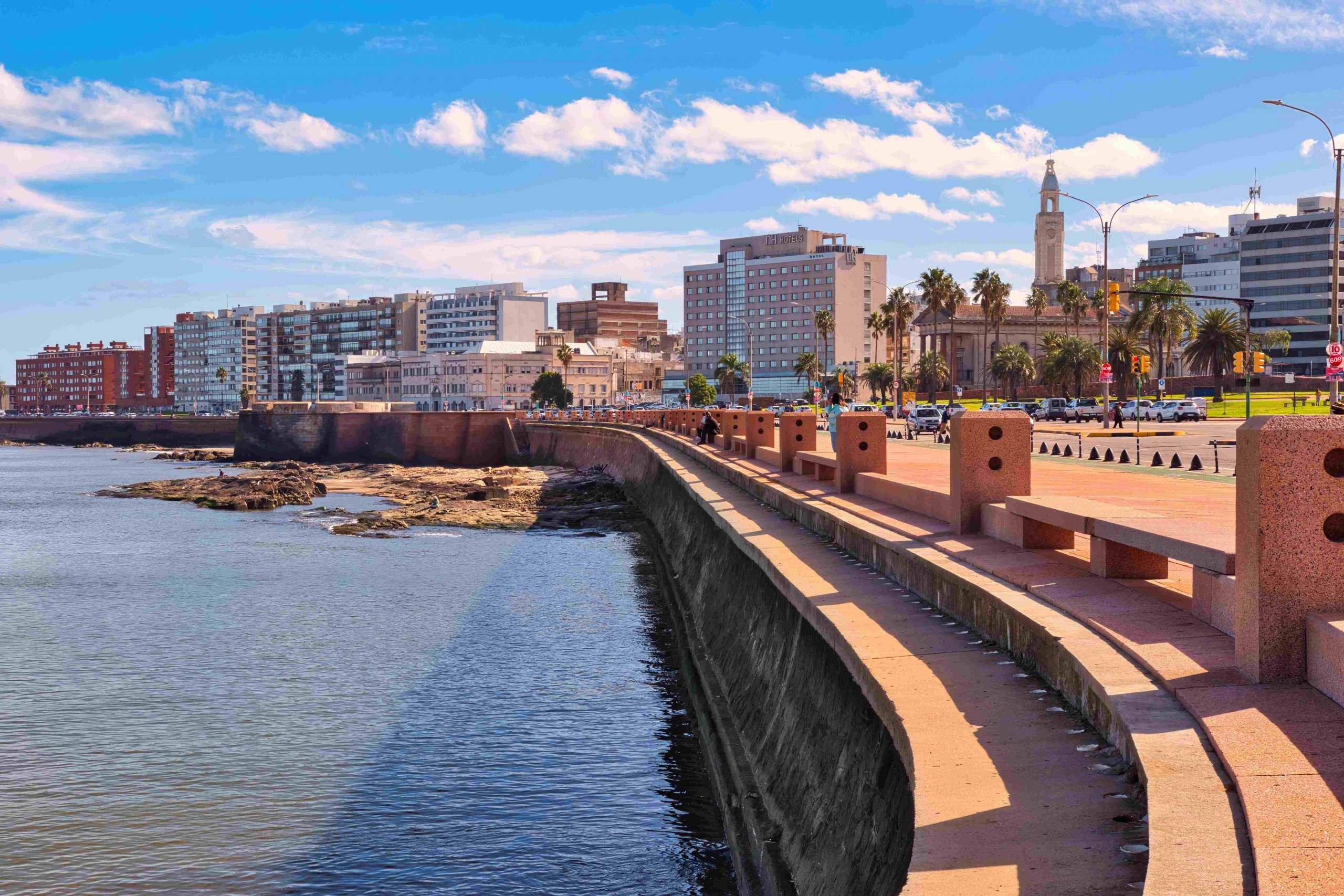
In Montevideo, the Rambla is not simply somewhere visitors go for photographs. It forms part of normal city life.
Residents use the waterfront for:
running;
cycling;
walking;
exercising;
taking children outside;
meeting friends;
drinking mate;
sitting beside the Río de la Plata; and
watching the sunset.
That lifestyle difference can be significant for people arriving from North American suburbs where everyday life depends heavily on a car.
If access to the waterfront matters to you, choosing the right neighbourhood and even the right street can make a noticeable difference.
A home several blocks from the Rambla may produce a different daily routine from one where the waterfront is immediately accessible.
Is Uruguay Expensive to Live In?
The most useful answer is simple:
It depends heavily on how you live.
Uruguay should not be marketed as simply a cheap alternative to the United States or Canada.
International Living's January 2026 guidance notes that Uruguay is not cheaper across every spending category. Energy, manufactured goods and some processed foods can cost more than North American arrivals expect.
Housing, healthcare and transport can present a more favourable comparison in certain circumstances.
The variables that make the biggest difference include:
where you live;
whether you rent or own;
apartment building expenses;
electricity consumption;
car ownership;
imported goods;
healthcare choice;
eating out;
domestic travel; and
the size and condition of your home.
Imported Goods Can Be Expensive
A common adjustment for new residents is the cost of imported goods.
Electronics, vehicles, certain international brands and manufactured products can cost noticeably more than expected.
The more your normal lifestyle depends on imported products, the more important this becomes.
People who buy local food and adapt their consumption habits may experience Uruguay's cost structure very differently.
Electricity Deserves Attention
Heating and cooling are important budget considerations.
International Living's 2026 guidance uses approximately US$85 per month as an electricity example for a couple living carefully in a modern two bedroom apartment.
That is not a universal budget.
Property size, insulation, heating system, summer cooling and individual habits can change the figure substantially.
When viewing a property, ask for recent utility bills where available. They are more useful than relying on a national average.
Do Not Forget Gastos Comunes
Apartment buyers and renters should also ask about gastos comunes.
These are the communal expenses associated with many apartment buildings.
They may contribute towards:building staff;
cleaning;
security;
maintenance;
lifts;
communal heating;
amenities;
gardens; and
other shared services.
Two apartments with similar rents or asking prices can therefore produce significantly different monthly housing costs.
Planning a move to Montevideo?Explore current Montevideo properties and compare the asking price, monthly building expenses and location together rather than judging a home by price alone.
Healthcare in Uruguay
Healthcare is one of the most important relocation questions for American and Canadian buyers.
Uruguay operates a Sistema Nacional Integrado de Salud, or National Integrated Health System.
The Ministry of Public Health publishes information covering both the public provider ASSE and the country's Instituciones de Asistencia Médica Colectiva, commonly abbreviated to IAMCs. These collective healthcare providers are also widely referred to as mutualistas.
What Is a Mutualista?
For many North Americans, a mutualista is easier to understand as a healthcare institution or membership system than as conventional United States style health insurance.
A member generally receives care through the organisation and its associated facilities.
Depending on the provider and membership, services can include:
general consultations;
specialist appointments;
diagnostic testing;
hospital treatment;
emergency care;
preventative medicine; and
other medical services.
International Living's updated January 2026 cost guide gives around US$70 per month as an indicative mutualista membership cost, with additional copayments.
That figure should not be treated as a guaranteed price.
Fees, admission conditions and services vary between institutions and according to individual circumstances.
Healthcare Becomes a Location QuestionChoosing healthcare and choosing a neighbourhood should not be completely separate decisions.
Before buying a home, consider:
where your preferred provider's main facilities are;
where specialists are located;
how long the journey takes during weekday traffic;
access to emergency care;
whether there are nearby clinics; and
whether your healthcare needs are likely to increase over time.
An excellent healthcare provider becomes less practical if every regular appointment requires an inconvenient journey across the city.
Older Relocators Should Research Early Older buyers should investigate healthcare before making a permanent property decision.
Some mutualistas apply admission conditions concerning age or medical circumstances.
International Living notes that options can narrow for some new applicants over 65.
Rather than relying on a general statement that healthcare is affordable, ask individual institutions about your own circumstances, eligibility and likely costs.
Climate in Uruguay: Expect Four Real Seasons
Uruguay is not tropical.
The country has a temperate climate with four recognisable seasons.
Because Uruguay is in the Southern Hemisphere, they are reversed from the USA and Canada:
Summer: December to February
Autumn: March to May
Winter: June to August
Spring: September to November
Uruguay's meteorological institute, INUMET, maintains official climate information covering temperature, humidity, rainfall, sunshine and wind across the country, including the Montevideo area.
Summer Montevideo summers are generally warm.
The waterfront helps shape the experience because coastal breezes can make evenings and outdoor activity more comfortable than inland temperatures might suggest.
Summer is also when coastal Uruguay becomes much more active.
Punta del Este in January is therefore not representative of Punta del Este throughout the year.
Winter Winter is where some foreign buyers misjudge the climate.
Temperatures are relatively mild compared with Toronto, Montreal, Chicago or Boston.
But numbers alone do not describe how a home feels.
Humidity, wind and building design matter.
A property without effective heating, good sunlight or adequate insulation may feel much colder than a Canadian or American buyer expects from the thermometer.
What to Check When Viewing a Property
How is the property heated?
Does it receive winter sun?
Is there double glazing?
Are there signs of damp?
How well ventilated is the property?
What are typical winter electricity bills?
Does the apartment face a direction that limits sunlight?
Is cooling adequate for summer?
If you are buying for permanent relocation, these questions are often more important than how attractive the property looks during a sunny viewing.
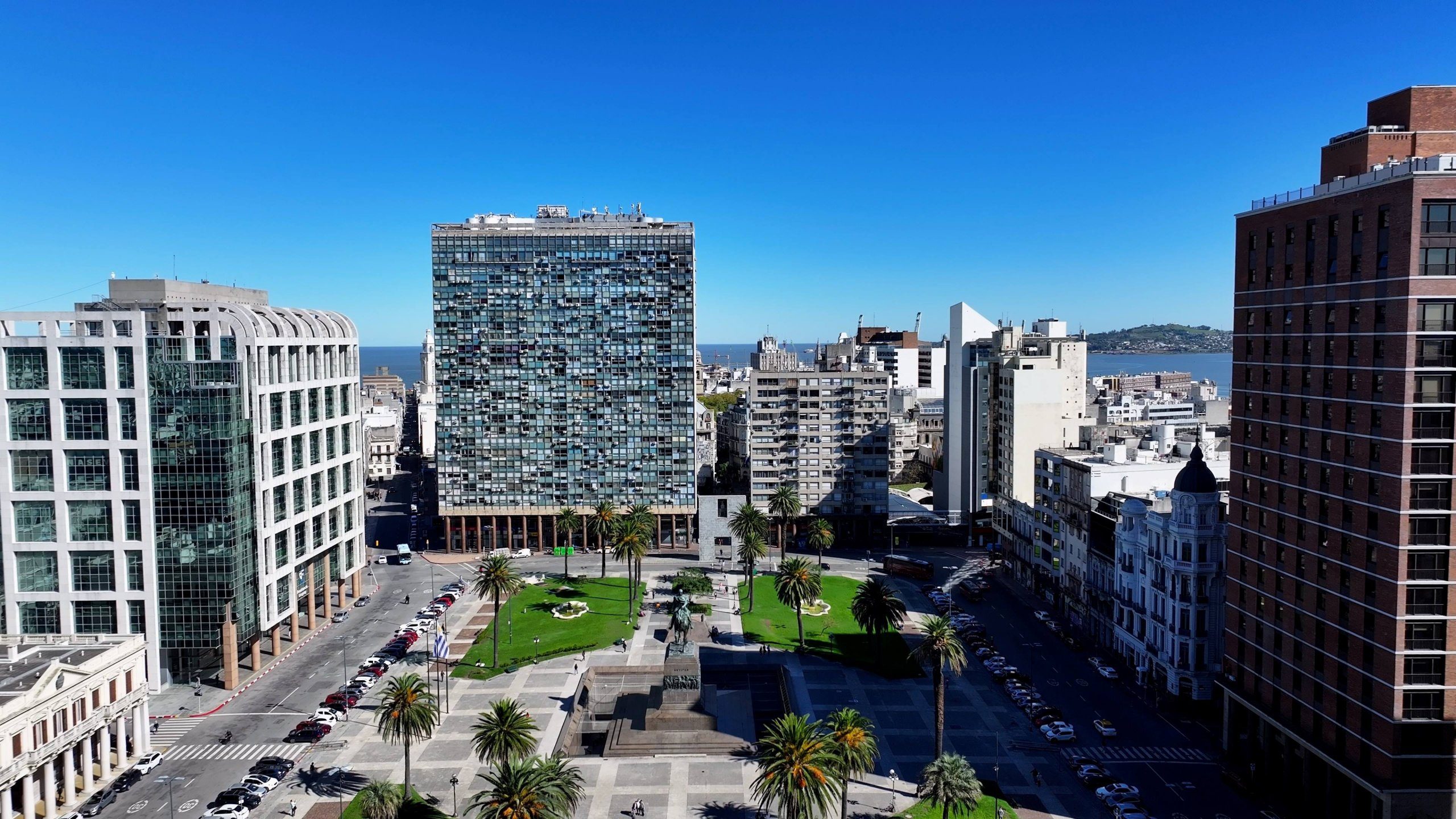
Living in Montevideo
For many foreigners planning a permanent move, Montevideo offers the greatest concentration of everyday services.
The capital provides access to:
major healthcare providers;
professional services;
universities;
schools;
restaurants;
cultural venues;
shopping;
transport;
government services; and
year round urban activity.
But neighbourhood choice changes the experience dramatically.
La Cité's Montevideo real estate guide provides a wider comparison of property, costs and neighbourhood choices for international buyers.
Pocitos: Walkability and Coastal Apartment Living
Pocitos often appeals to international buyers who want city convenience without giving up immediate access to the coast.
Its advantages can include:
apartment choice;
Pocitos Beach;
Rambla access;
supermarkets;
cafés;
restaurants;
pharmacies;
gyms; and
public transport.
For someone hoping to live without using a car every day, selecting a well positioned property in Pocitos can be highly practical.
The trade off is density.
Buyers seeking large gardens, greater privacy or quieter residential streets may prefer somewhere else.
Punta Carretas: Urban Convenience With the Coast Nearby
Punta Carretas offers another established coastal urban lifestyle.
It combines residential streets with good access to:
restaurants;
retail;
supermarkets;
parks;
the Rambla; and
central Montevideo.
It can suit buyers who want an established urban neighbourhood while remaining close to the waterfront.
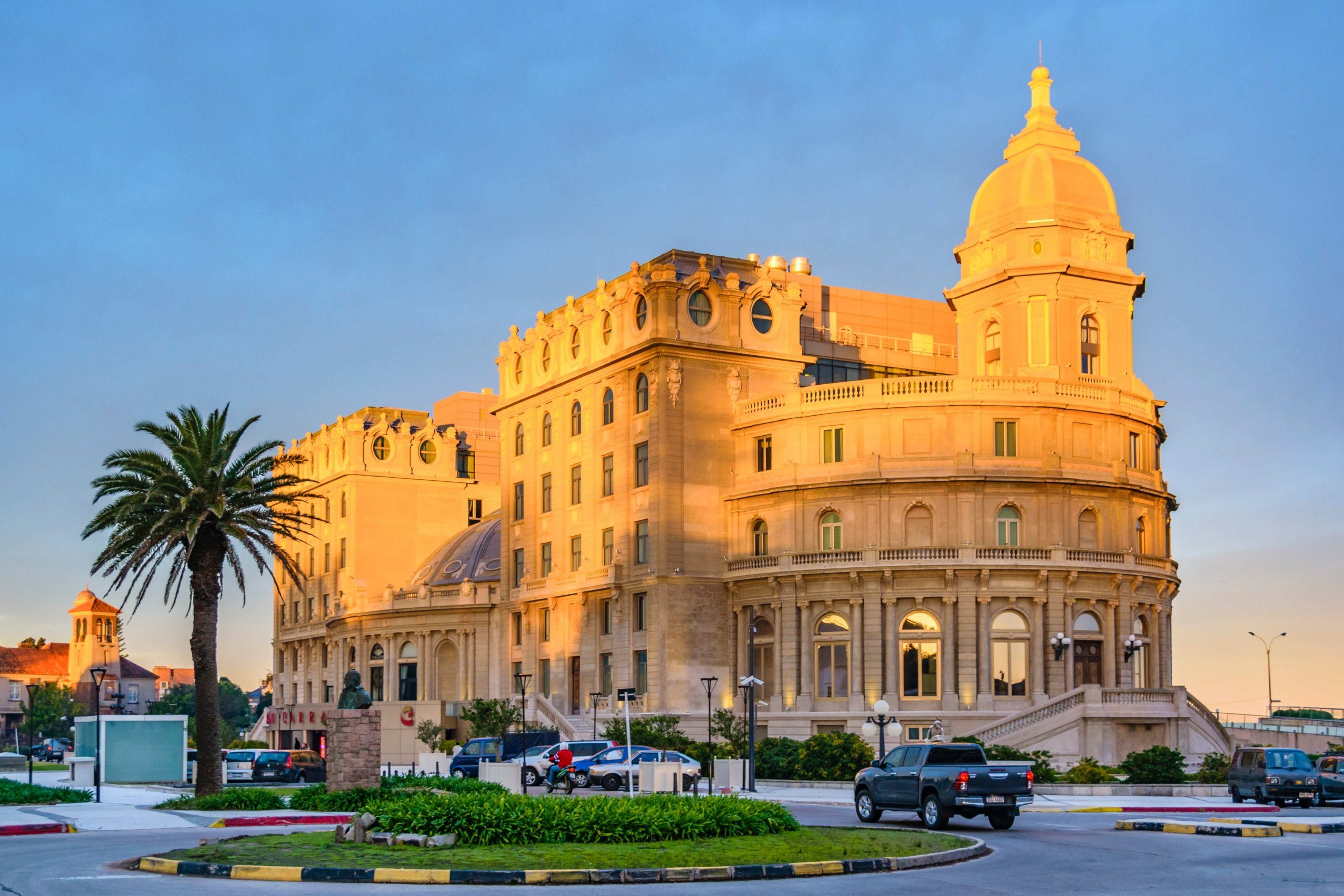
Carrasco: Space and a More Residential Routine
Carrasco offers a different proposition.
La Cité's current Carrasco area guide highlights practical issues international families commonly compare, including:
school access;
commuting time;
airport proximity;
privacy;
beach access;
gardens; and
property size.
Larger homes and lower density streets can provide considerably more space than Pocitos or Punta Carretas.
The trade off is that daily life can become more dependent on a car.
This is a good example of why the best Montevideo neighbourhood cannot be chosen from property prices alone.
Montevideo or Punta del Este?
This decision can fundamentally change your experience of living in Uruguay.
Location
Lifestyle
Particularly Suitable For
Main Consideration
Montevideo
Permanent capital city lifestyle
Permanent relocators, families and professionals
More urban
Pocitos
Walkable coastal apartment living
Couples, professionals and retirees
Denser environment
Punta Carretas
Central coastal living
Buyers wanting convenience
Apartment focused market
Carrasco
Spacious residential lifestyle
Families and executives
Greater dependence on a car
Punta del Este
Resort and coastal lifestyle
Second homes and lifestyle relocators
Strong seasonality
Smaller coastal communities
Quieter everyday life
People prioritising nature and a slower pace
Fewer urban services
Punta del Este deserves particular consideration.
Summer can be busy, international and highly social. Winter is much quieter.
Neither experience is false. They are simply very different.
If you are considering permanent residence there, spend time in Punta del Este outside peak season before buying.
Whether you need a car depends heavily on your neighbourhood.
Montevideo operates the STM public transport system.
As of 2026, the city's official fare schedule includes one hour and two hour journeys as well as zonal and central fares.
For residents using an STM card, the standard one hour electronic fare is currently UYU 52, compared with UYU 64 when paid in cash.
That makes buses a practical part of daily transport for many city residents.
In areas such as Pocitos or Punta Carretas, residents can often combine:
walking;
buses;
taxis;
app based transport; and
occasional car hire or ownership.
Carrasco and lower density locations make a car more useful.
The best test is simple. Before choosing a home, physically make the journeys you expect to make regularly.
Internet and Working From Home
Uruguay offers strong fixed line connectivity in many urban locations.
Antel's current 2026 residential fibre pricing includes a basic fibre plan advertised at maximum speeds of 400 Mbps download and 30 Mbps upload, where fibre service is available.
That can make Uruguay practical for remote professionals.
But do not choose a home based only on general neighbourhood coverage.
Before signing a lease or purchasing:
check fibre availability at the exact address;
confirm which speeds can actually be ordered;
test mobile reception inside the property;
consider backup connectivity if your livelihood depends on being online; and
think about whether the property has a genuinely suitable workspace.
A sea view does not compensate for unreliable work connectivity.
Can You Live in Uruguay Without Speaking Spanish?
You can arrive without fluent Spanish.
Long term integration is another matter.
English is more commonly encountered in areas such as:
international real estate;
multinational businesses;
some private healthcare settings;
international schools; and
tourism.
Everyday Uruguay runs in Spanish.
You will encounter it when dealing with:
neighbours;
shops;
building staff;
tradespeople;
public services;
deliveries;
transport;
bureaucracy; and
ordinary social situations.
Learning Spanish therefore has a practical and cultural benefit.
You become less dependent on other people and considerably more connected to the community around you.
Food and Social Life
Uruguay's social culture is closely connected to food.
The country's best known traditions include asado, but everyday dining also reflects strong Italian and Spanish influence.
Pasta, pizza, empanadas, grilled meat, seafood and local wine all form part of the food landscape.
Montevideo provides the broadest permanent restaurant selection.
Punta del Este and José Ignacio become particularly active during summer.
For a relocator, however, the bigger cultural difference is often the amount of time given to meals and social gatherings.
Eating together is not always something to fit quickly between other commitments.
It is often the commitment.
What Are the Downsides of Living in Uruguay?
A credible relocation article should answer this directly.
Uruguay has trade offs.
Imported Goods Can Be Costly Electronics, vehicles and certain international brands may cost more than buyers expect.
Winter Can Feel Colder Than the Numbers Suggest Humidity, wind and the heating performance of individual properties matter.
Spanish Matters Remaining within an English speaking bubble limits independence and integration.
Some Processes Feel Slow North Americans accustomed to instant digital services may find certain administrative or everyday processes less immediate.
Punta del Este Is Seasonal A location that feels ideal in January may feel completely different during winter.
Not Every Area Is Equally Walkable A lifestyle built around walking in Pocitos does not translate directly to a large Carrasco property.
Uruguay Is Not Universally Cheap Choosing Uruguay because you expect everything to cost dramatically less than North America is the wrong starting assumption.
The Practical Pros and Cons
Potential Advantages
Potential Trade Offs
Stable institutional environment
Some imported goods are expensive
Strong coastal lifestyle
Spanish is important for integration
Integrated healthcare system
Private provider eligibility varies
Walkable Montevideo neighbourhoods
Other areas are more dependent on a car
Fibre internet widely available in urban areas
Availability still needs checking at the exact address
Four season climate
Winter humidity can surprise newcomers
Strong family and social culture
Pace of service may feel slower
Variety of urban and coastal lifestyles
The wrong neighbourhood choice can be expensive
The important point is not to decide which column is longer.
It is to decide which factors matter most to you.
Should You Rent Before Buying?
For many people relocating permanently, renting first is worth serious consideration.
A neighbourhood behaves differently when you live in it.
After several weeks or months you discover:
whether traffic bothers you;
how noisy evenings are;
how easy grocery shopping is;
whether you really walk to the Rambla;
how long healthcare journeys take;
whether you need a car;
what winter feels like;
whether the building is well managed;
how much utilities cost; and
whether the location fits your normal routine.
A buyer may arrive convinced that a spacious suburban environment is ideal and later discover that daily walkability matters more.
Another may initially favour an apartment and realise that a garden and greater privacy better suit their routine.
Changing your mind during a rental period is considerably easier than changing it after buying the wrong property.
A Genuine Pattern La Cité Sees With International Buyers
La Cité's own published relocation guidance describes a recurring pattern from its work with American and Canadian buyers.
Many arrive well prepared. They have researched listings, watched videos and formed a strong idea of what living in Uruguay should look like.
Once they are physically in the country, those assumptions can change.
La Cité's experience is that short visits can fail to reveal important differences such as:
seasonal changes in lifestyle;
the real character of a neighbourhood;
actual travel times;
school accessibility;
healthcare accessibility; and
price differences within the same district.
This is why the Tuesday in July question matters.
A neighbourhood should work when you are buying groceries, attending an appointment, travelling during normal traffic and coming home on a cold weekday. It should not only work during a short summer property tour.
That practical experience is one of the clearest reasons to test everyday life before committing to a permanent home.
The La Cité Everyday Life Test
Before choosing an area, La Cité recommends looking beyond the property itself.
When visiting a neighbourhood, test these six things.
1. Morning Visit during a normal weekday morning. Check traffic, noise and how easily people move through the area.
2. Groceries Go to the supermarket or local shops you would realistically use.
3. Healthcare Travel from the property to a healthcare provider you may actually choose.
4. Evening Return after work hours. A street that feels ideal at noon can feel completely different after dark.
5. Transport Try the journey you expect to make regularly rather than estimating it on a map.
6. Property Comfort Think beyond aesthetics. Check sunlight, heating, cooling, noise, gastos comunes and internet availability.
This type of lifestyle due diligence is one of the most valuable things an international buyer can do before committing to a home.
Experience Uruguay Before Making the Property Decision
Eventually, online research reaches its limit.
You need to see how your preferred areas function.
La Cité's relocation support in Uruguay goes beyond property viewings and helps international buyers understand the broader context of living in the country.
This can include exploring:
neighbourhoods;
property options;
shopping;
healthcare;
schools;
dining;
cultural activities;
recreation;
practical local services; and
trusted professional support for other aspects of relocation.
La Cité has decades of experience in Uruguay's residential property market and works with international buyers who need support beyond simply arranging viewings.
For somebody moving from the USA or Canada, the purpose of this process is not to make Uruguay look right for you.
It is to establish whether it actually is right for you.
Want to test your preferred areas before making a property decision?Contact La Cité or call +598 4244 5368 to discuss your relocation plans.
A Final Checklist Before Moving to Uruguay
Lifestyle
Do I enjoy Uruguay's pace?
Do I want city, suburban or coastal life?
How important is walkability?
Do I need permanent urban activity throughout the year?
Healthcare
Which providers could I use?
Are there age or admission conditions?
Where are the clinics I would need?
What does membership actually include?
Climate
Have I experienced Uruguay outside summer?
Is my preferred home adequately heated?
Does it receive winter sunlight?
What will cooling and heating cost?
Monthly Costs
What are the gastos comunes?
What do actual utility bills show?
Will I own a car?
How dependent am I on imported products?
Practical Life
Is fibre available at the exact property?
Can I manage without fluent Spanish initially?
How far are shops, healthcare and services?
What does weekday traffic look like?
Property
Should I rent first?
Does this property support the lifestyle I want?
Am I choosing a neighbourhood because I understand it, or because I liked it during a short visit?
If you cannot confidently answer those questions, more research is usually more valuable than another property viewing.
Frequently Asked Questions
Is Uruguay a good country to live in? Uruguay can suit people who value institutional stability, coastal living, established healthcare, a temperate climate and a more measured daily pace. Whether it is right for you depends on your budget, lifestyle, preferred location and willingness to adapt.
Is living in Uruguay cheap? Not necessarily. Some costs, particularly imported products and energy, can be higher than newcomers expect. Housing, healthcare and transport can compare more favourably depending on your circumstances.
What is healthcare like in Uruguay? Uruguay operates an integrated national healthcare system that includes public provision and private collective healthcare institutions known as IAMCs or mutualistas. Individual provider costs, services and admission conditions should be confirmed directly before relocating. How much does a mutualista cost? International Living's January 2026 guide gives around US$70 per month as an indicative membership cost, plus copayments. Actual fees and eligibility vary according to provider and individual circumstances. What is winter like in Uruguay? Uruguay has a temperate climate with genuine winter conditions. Temperatures are much milder than in most of Canada, but humidity, wind and individual property heating can make winter feel colder than the temperature suggests. Does Uruguay have reliable internet? Urban connectivity is generally strong. Antel's published 2026 fibre plans include residential services with high download speeds where fibre is available. Availability should still be checked at the exact property. Is Montevideo walkable? Many parts are. Pocitos and Punta Carretas in particular can allow residents to reach everyday services on foot. Lower density areas such as Carrasco tend to make a car more useful. What are the best areas of Montevideo for expats? Pocitos, Punta Carretas and Carrasco are frequently considered by international buyers, but each suits a different lifestyle. The right choice depends on walkability, property type, space, schools, transport and daily routine. Should I live in Montevideo or Punta del Este? Montevideo generally provides more consistent urban services throughout the year. Punta del Este offers a stronger resort and coastal lifestyle but changes substantially between peak summer and winter. Can Americans and Canadians live in Uruguay? Yes, although permanent relocation involves separate residency and documentation requirements. Buyers should research the relevant immigration process alongside their housing plans. Can I live in Uruguay without speaking Spanish? Initially, yes, particularly if you use international services. Long term life becomes considerably easier with Spanish because normal community interaction, services and administration primarily operate in Spanish. Is Uruguay suitable for remote workers? It can be. Fibre internet is available in many urban locations, but connectivity should always be checked at the exact property before signing a lease or purchasing. Is it better to rent before buying property? For many permanent relocators, yes. Renting gives you time to test neighbourhoods, seasons, traffic, healthcare access and everyday costs before making a larger commitment.
Is Living in Uruguay Right for You?
Uruguay's appeal comes from a combination of factors rather than one dramatic promise.
The coast. The healthcare system. The neighbourhood lifestyle. The social culture. The political stability. The manageable scale of Montevideo. The ability to choose between city, suburban and resort living.
But a country can look excellent on paper and still be wrong for your everyday life.
La Cité's experience with international buyers reinforces the same point repeatedly: the decision becomes clearer once people stop evaluating Uruguay as visitors and start examining how ordinary life would actually work.
That is why the final question should not simply be:
"Is Uruguay a good place to live?"
It should be:
"Would my life work well in Uruguay?"
The answer becomes much clearer once you test the neighbourhood, healthcare, transport, climate, housing costs and normal daily routines for yourself.
This article provides general lifestyle information. Healthcare fees, living costs, transport fares, service availability and individual circumstances can change. Verify current costs, availability and eligibility directly with the relevant provider before making relocation or financial decisions.
Si estás pensando en comprar una propiedad en Uruguay, ya sea para mudarte, invertir o como segunda residencia, no estás solo. Cada vez más compradores extranjeros se sienten atraídos por Uruguay gracias a su alta calidad de vida, estabilidad política y económica, leyes favorables a la inversión y hermosos pai...
Imagina despertarte en un hogar donde el encanto tradicional se combina con la comodidad moderna, rodeado de belleza natural y un estilo de vida tranquilo. Uruguay se está convirtiendo rápidamente en uno de los destinos favoritos para compradores extranjeros que buscan seguridad, calidad de vida y un alto valor inmobiliario. Según datos...
Resumen Rápido
Los compradores extranjeros pueden adquirir legalmente tierras de viñedos en Maldonado sin necesidad de residencia
La tierra adecuada para viñedos cerca de Punta del Este es limitada y competitiva
Los precios promedio de terrenos rurales varían según la infraestructura y la cercanía a zonas tur&ia...
¿Cómo es el mercado inmobiliario de lujo en Uruguay?
Si está considerando realizar una inversión en propiedades de lujo en Uruguay, es fundamental comprender los factores que hacen de este país un mercado tan atractivo para este tipo de activos.
Explore los diversos tipos de propiedades exclusivas disponibles, que van des...