


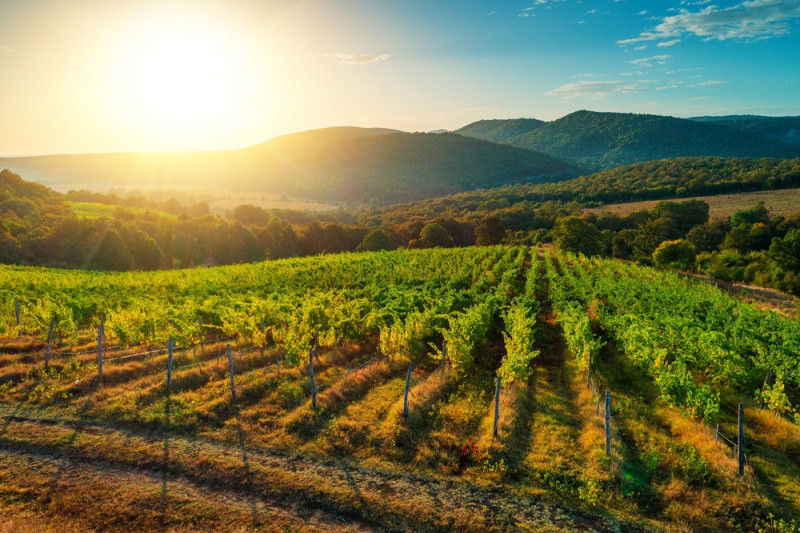
A Complete Guide to Buying Farmland in Uruguay in 2025
Dreaming of owning farmland in a place where the climate is favorable, the soil is fertile, and the investment opportunities are robust? Uruguay ticks all those boxes and more! Whether you're looking to cultivate crops, raise livestock, or simply invest in a thriving agricultural sector, Uruguay is a prime destination for farmland buyers in 2025.
The country's agricultural economy ranks among the most stable in the world, and its reputation as a top exporter of beef and soy continues to attract international investors. Plus, with foreigner-friendly policies and an enviable lifestyle, buying farmland here is more than just a business decision—it's a step toward a sustainable and rewarding future. Let’s explore everything you need to know about purchasing farmland in Uruguay!

Why Invest in Farmland in Uruguay?
Booming Agricultural Economy
Uruguay has earned its place as a global powerhouse in agriculture, particularly in beef and soy exports. Its agricultural exports consistently rank among the top contributors to the national economy, with grass-fed beef and non-GMO soybeans leading the charge. According to the Food and Agriculture Organization (FAO), Uruguay is recognized for its adherence to strict quality standards, making its products highly sought after in international markets.
Additionally, the government actively supports sustainable farming practices, giving investors a unique opportunity to capitalize on a market that values both productivity and environmental responsibility.
Favorable Investment Climate
Uruguay offers one of the most stable and investor-friendly environments in South America. With no restrictions on foreign ownership of farmland and a transparent legal framework, the country has become a haven for international agricultural investors. Policies promoting foreign direct investment and tax incentives for sustainable projects further sweeten the deal, ensuring a high return on investment.
Abundant Natural Resources
The natural features of Uruguay make it a dream location for farming. Its fertile soils, abundant freshwater resources, and temperate climate create optimal conditions for a wide variety of agricultural activities. The land is naturally conducive to growing high-yield crops, raising livestock, and implementing reforestation projects. Coupled with efficient irrigation systems and government-supported agricultural infrastructure, Uruguay’s natural endowments are unmatched in the region.
Sustainability Opportunities
Global trends show a growing demand for organic and sustainably produced food, and Uruguay is well-positioned to meet this demand. The government has launched several initiatives promoting sustainable agriculture, from water management projects to organic certification programs. For investors, this presents a dual advantage: entering a lucrative market while contributing to environmentally responsible practices. Read our recent blog post about 7 Things You Should Know About Retiring in Uruguay and learn more about Uruguay's sustainability and lifestyle benefits.

Types of Farmland Available in Uruguay
Livestock Farming Land
Uruguay is synonymous with high-quality, grass-fed beef production, making livestock farming one of the country’s most profitable ventures. Vast expanses of rolling pastures provide the perfect environment for raising cattle and sheep. Livestock farming land typically comes equipped with access to water resources and grazing-friendly landscapes, ensuring high productivity with minimal intervention.
The country’s reputation for ethical and sustainable meat production aligns with global consumer trends, offering lucrative export opportunities to Europe, the United States, and beyond.
Crop Cultivation Land
Uruguay’s fertile plains are ideal for cultivating a wide range of crops, including soybeans, wheat, barley, and corn. The country's consistent rainfall and temperate climate allow for multiple harvest cycles, ensuring higher yields and profitability. Additionally, Uruguay’s non-GMO farming policies make its crops particularly attractive to international buyers, creating strong demand in premium markets.
Regions like Soriano and Colonia are known for their highly productive soil and proximity to export infrastructure, making them prime locations for crop farming investments.
Mixed-Use Farms
For investors seeking diversification, mixed-use farms offer the best of both worlds. Combining livestock grazing with crop cultivation provides a stable income stream while optimizing land use. This type of farming is particularly advantageous in regions with varied topography, where different portions of the land can be utilized for complementary purposes.
Mixed-use farms also open the door to innovative farming practices, such as rotational grazing and integrated crop-livestock systems, which enhance soil health and sustainability.
Forested Land
Forested land is a niche yet growing sector of Uruguay’s agricultural market. Investors can capitalize on the rising demand for timber, as well as government incentives for reforestation and conservation projects. Forestry investments not only generate income but also contribute to carbon offset initiatives, making them attractive for environmentally conscious buyers.
Popular tree species for timber production include eucalyptus and pine, which thrive in Uruguay’s climate. Additionally, reforestation projects often qualify for government subsidies, further enhancing their financial appeal.

Understanding Farmland Prices in Uruguay
Regional Variations
Farmland prices in Uruguay exhibit significant variation based on location, land type, and proximity to infrastructure. Coastal regions, particularly those near Montevideo and Punta del Este, tend to command premium prices due to their accessibility, picturesque landscapes, and higher demand. Conversely, more rural interior regions, such as those in Durazno or Tacuarembó, offer more affordable options for buyers seeking larger tracts of farmland at a lower cost per hectare.
For example, in areas like Soriano or Colonia, known for their fertile soils and proximity to export hubs, farmland may fetch higher prices compared to regions further inland. Understanding these variations is key to aligning your investment goals with the best location. For more detailed analysis of various regions in Uruguay, helping you to identify the best locations for farmland investments based on your goals and priorities, check our latest post about Best Areas to Buy Property in Uruguay.
Cost Insights
The average cost of farmland in Uruguay can range from $3,500 to $10,000 per hectare, depending on the region and land quality. Coastal farmlands, with access to established infrastructure and tourism potential, typically fall on the higher end of the spectrum. On the other hand, lands in less developed areas or those requiring significant improvement offer more budget-friendly opportunities.
Investors interested in sustainable farming, reforestation, or niche agricultural markets may also find excellent deals on underutilized or forested land, particularly in the interior regions.
Factors Influencing Costs
Several factors play a crucial role in determining the value of farmland in Uruguay:
- Soil Fertility: High-quality soils, especially in regions like Soriano, known as the "breadbasket" of Uruguay, drive up prices due to their potential for high crop yields.
- Water Access: Properties with natural water sources or established irrigation systems often command a premium, especially for livestock or crop farming.
- Market Connectivity: Proximity to roads, export facilities, and local markets can significantly impact a property’s value, as ease of transport reduces operational costs and improves profitability.
- Infrastructure: Farmland with existing fences, barns, silos, and housing can save buyers time and investment in setup, contributing to higher upfront costs.
By considering these factors, investors can make informed decisions tailored to their specific agricultural goals.

Legal Considerations When Buying Farmland in Uruguay
Foreign Ownership Rights
One of the most attractive features of Uruguay’s real estate market is its openness to foreign investors. Unlike many countries, Uruguay imposes no restrictions on foreign ownership of farmland. Whether you’re looking to purchase a small plot for personal use or a sprawling estate for commercial farming, you’ll have the same rights and protections as a local buyer.
This transparency and equality in property rights have positioned Uruguay as a top destination for international investors seeking a stable and secure market. Check our guide on Legal Requirements for Buying Real Estate in Punta del Este to learn the legal aspects of real estate transactions in Uruguay, offering you relevant insights about the broader real estate market, including farmland purchases.
Hiring Professionals
Navigating the property buying process in a foreign country can be complex, which is why hiring local professionals is crucial.
- Notary (Escribano): In Uruguay, a notary plays a central role in property transactions, verifying the legal status of the land, ensuring the title is clear, and overseeing the signing of contracts.
- Lawyer: A lawyer familiar with real estate law can provide additional support, helping you navigate tax obligations, zoning regulations, and any unique aspects of the property.
Working with trusted local experts ensures your investment is legally sound and free from unexpected complications. Our guide on Step-by-Step Guide to Buying Property in Uruguay for Foreigners outlines the essential steps and provides practical advice for foreigners purchasing property in Uruguay.
Tax and Fee Insights
When purchasing farmland in Uruguay, buyers should be aware of the associated taxes and fees:
- Transfer Taxes (Impuesto a las Transmisiones Patrimoniales, ITP): This tax is typically 2% of the property’s cadastral value (government-assessed value) and is paid by both the buyer and the seller.
- Property Registration Costs: Fees for registering the property in your name usually range from 0.5% to 1% of the purchase price.
- Annual Property Tax (Contribución Inmobiliaria): Once the property is purchased, owners are required to pay an annual property tax based on the land’s value and usage.
These costs are relatively modest compared to other countries, making Uruguay an attractive destination for farmland investments.
Environmental and Zoning Regulations
Uruguay takes environmental sustainability seriously, and certain zoning laws may affect how farmland can be used. Buyers should verify:
- Whether the land falls under protected areas or conservation programs.
- If there are restrictions on water usage or forest clearing.
- Local regulations governing livestock density or crop types to ensure compliance with sustainable farming practices.
Land Title Verification
Verifying the title is an essential step in the buying process. Ensure there are no outstanding debts, encumbrances, or disputes associated with the property. Your notary and lawyer will handle this process, ensuring the land’s history is clear and legally transferable.

Steps to Buying Farmland in Uruguay
Define Your Goals
Before diving into the process of buying farmland in Uruguay, it's essential to define your goals clearly. Understanding your objectives will not only guide your decision-making but also ensure your investment aligns with your long-term plans. Here are some questions to consider:
- Are you looking to run a commercial farm for livestock, crops, or both?
- Are you interested in using the land as a private retreat or vacation home with farming potential?
- Is your goal to purchase land strictly for investment purposes, seeking capital appreciation and rental income?
- Would you prefer a more sustainable lifestyle, growing organic products or engaging in reforestation efforts?
By pinpointing your goals early, you’ll be able to prioritize specific land characteristics, such as soil fertility, water access, and proximity to markets, which can significantly influence your farming or investment success.
Set a Budget
Establishing a realistic budget is a crucial step in the process of buying farmland. Your budget should account for:
- Purchase Price: The cost of the land itself, which varies depending on the region and land type (livestock, crop, mixed-use).
- Taxes and Fees: In Uruguay, there are several transaction costs to consider, such as property transfer taxes (approximately 2% of the cadastral value), registration fees (0.5%–1% of the purchase price), and legal costs for notaries and lawyers.
- Additional Costs: Depending on the state of the land, you may need to budget for improvements such as irrigation systems, fencing, barns, or equipment. It’s also important to factor in annual property taxes, which vary based on land value and usage.
- Ongoing Operational Costs: If you're planning to farm the land, calculate the ongoing costs for seeds, livestock, labor, maintenance, and utilities.
Having a clear and comprehensive budget ensures you avoid unforeseen expenses and make sound financial decisions.
Engage Experts
One of the best ways to navigate the complex farmland buying process in Uruguay is to engage local experts. Professional real estate agents and legal advisors play a key role in ensuring the transaction runs smoothly.
- Real Estate Agents: Work with experienced local agents like La Cite, who have in-depth knowledge of Uruguay’s farmland market. They can help identify properties that match your needs and budget, negotiate on your behalf, and assist with paperwork.
- Lawyers and Notaries: Legal professionals will help ensure your property title is free of encumbrances, verify zoning regulations, and guide you through the legal process. Having a bilingual team can also be beneficial for foreign investors.
- Surveyors and Agronomists: These specialists can help evaluate the land’s physical condition, including soil fertility, water availability, and potential risks. Their advice is especially valuable for those seeking agricultural land.
Engaging the right professionals early in the process can save you time, effort, and money, and help you avoid common pitfalls.
Conduct Due Diligence
Due diligence is one of the most important steps in the property buying process. Before finalizing a purchase, make sure you carefully assess several key factors:
- Title Verification: Ensure the property’s title is clear, with no outstanding debts or legal disputes. This process can be handled by a notary or lawyer.
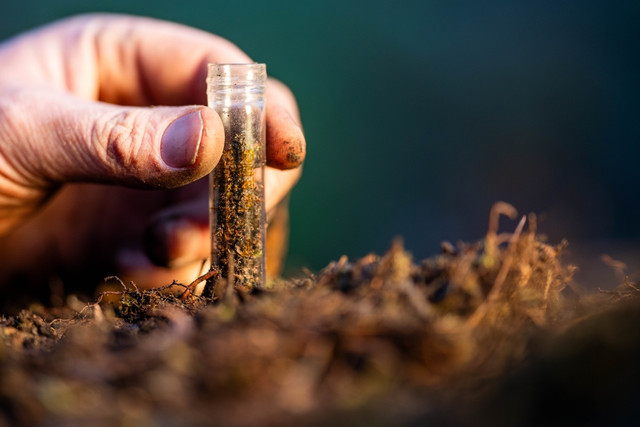
- Soil Quality: If you plan to farm, assessing soil quality is critical. Fertile soil with good water retention is ideal for crop farming, while pastureland requires different considerations for grazing livestock.
- Zoning and Land Use: Verify local zoning laws to ensure that the land is suitable for your intended use, whether it’s residential, commercial, or agricultural. Zoning laws may restrict the type of farming you can do, so confirm whether the property is in a protected area or subject to environmental regulations.
- Water Access: Access to reliable water resources is vital for most farming operations. Check if the land has natural water sources (such as rivers, lakes, or wells) or if it’s possible to set up irrigation systems.
Careful due diligence can help prevent costly mistakes and ensure you invest in land that suits your specific needs.
Close the Deal
Once due diligence is completed, it’s time to close the deal. This step involves finalizing the sale and transferring ownership. The process typically involves:
- Signing Contracts: Your lawyer will draft and review the sale contracts, ensuring they comply with all local regulations.
- Notary Verification: A notary will confirm the legitimacy of the transaction and ensure that all taxes and fees are paid.
- Payment and Transfer: Once all paperwork is in order, the final payment is made, and the land ownership is officially transferred to you.
Having an experienced team of legal professionals, notaries, and real estate agents will help ensure the closing process goes smoothly, ensuring compliance with all local laws and requirements.

Financing Options for Farmland Purchases
Mortgage Options
Uruguay offers a range of mortgage options for both local and foreign buyers looking to finance farmland. Local banks, as well as international financial institutions, provide loans, but it’s essential to understand the differences in terms and conditions.
- Interest Rates: Interest rates on mortgages for farmland can vary depending on the bank, loan amount, and type of property. Typically, interest rates for farmland loans range from 6% to 9% per year. However, rates can fluctuate based on global economic conditions, so it’s advisable to shop around for the best deal.
- Loan Terms: In Uruguay, mortgage terms for agricultural land are usually between 10 and 20 years, with some flexibility depending on the lender and buyer's financial situation.
- Down Payment: Most banks require a down payment of at least 30% of the property’s value. Keep in mind that financing may be more challenging to secure for large tracts of undeveloped land.
Private Investors and Partnerships
For those who may not qualify for traditional bank loans, private investors and partnerships can offer alternative financing solutions.
- Private Investors: Partnering with private investors or forming joint ventures can help secure the capital necessary for purchasing larger parcels of land. This method allows for more flexibility in structuring the financing arrangement and can be particularly useful for international buyers who may have difficulty accessing traditional financing.
- Agricultural Partnerships: In some cases, forming a partnership with a local farmer or agricultural enterprise can help reduce the risk of investing in farmland. These partnerships allow you to share both the costs and potential rewards of farming, making it a viable option for both new and experienced investors.
Benefits of Cash Purchases
If you have the financial resources, purchasing farmland with cash can offer several advantages over financing:
- No Interest Payments: By paying cash, you avoid paying interest on loans, which can add up over time.
- Faster Transactions: Cash purchases can expedite the buying process, making it easier to close deals quickly.
- Better Bargaining Power: Sellers are often more willing to negotiate favorable terms for buyers who offer cash, as it eliminates the uncertainty of financing and ensures a quicker, smoother transaction.
While cash purchases may not always be possible for everyone, they provide several long-term benefits, especially in terms of cost savings and negotiation leverage.
Challenges and Risks to Consider
When buying farmland in Uruguay, it’s essential to be aware of potential challenges and risks that could impact your investment. Understanding these factors will help you make informed decisions and take proactive steps to mitigate potential issues.
Climate Variability
Uruguay’s climate is generally favorable for agriculture, but like all farming regions, it comes with inherent risks tied to weather patterns.
- Droughts: While Uruguay enjoys a temperate climate, droughts can occur, especially during El Niño or La Niña weather events. These periods of extended dry conditions can affect crop yields, reduce water availability, and increase irrigation costs. For livestock farming, a lack of pastureland or water can lead to higher feed costs and decreased animal health.
- Flooding: Conversely, Uruguay is also susceptible to heavy rainfall and flooding, especially in the eastern regions. Prolonged heavy rains can lead to soil erosion, crop damage, and disrupted transportation routes. Flooding can also degrade soil quality, making it more challenging to cultivate specific crops.
- Unpredictable Weather Patterns: Changes in the global climate have introduced a level of unpredictability to weather conditions in Uruguay. This may lead to variations in seasonal planting cycles, pest outbreaks, and disease risks, all of which can impact farming outcomes.
Mitigating these risks involves selecting land with good drainage, efficient irrigation systems, and understanding the long-term climate trends for the specific region you're interested in. Diversifying your farming operations can also help spread risk across different crops or livestock.
Market Fluctuations
Agricultural investments are inherently tied to the volatility of global markets. The prices of crops and livestock fluctuate based on a range of factors, including global demand, supply chains, and international trade policies.
- Crop Prices: The prices of staple crops like soy, wheat, and corn can vary significantly due to international trade agreements, changes in global demand, and competitive markets. For example, fluctuations in global oil prices or supply chain disruptions can lead to sudden price hikes or drops for key commodities.
- Livestock Prices: Uruguay’s beef sector is highly competitive on the global market. However, fluctuations in global demand, such as shifts in consumer preferences or changes in international tariffs, can cause instability in prices. Livestock farmers must keep a close eye on international trade trends, especially with key buyers like China and Europe.
- Risk Management: To protect against market fluctuations, many farmers use hedging strategies or forward contracts to lock in prices for their crops or livestock in advance. Working with a financial advisor experienced in agricultural markets can help you develop a solid risk management strategy.
Legal and Environmental Due Diligence
Uruguay’s real estate laws are generally favorable to foreign investors, but as with any property purchase, ensuring a thorough legal and environmental review is essential.
- Legal Titles and Ownership: While Uruguay allows foreign ownership of farmland, it’s crucial to ensure that the land has a clear and undisputed title. This involves verifying the ownership history, checking for liens or debts, and confirming that the land is free from legal disputes. Working with a local notary or lawyer who specializes in rural real estate can prevent costly mistakes.
- Environmental Regulations: Uruguay has strong environmental regulations, especially for land that is used for farming. It’s important to ensure that the land complies with these regulations, including those related to soil conservation, water usage, and sustainable farming practices.
- Sustainability Certifications: As global demand for organic and sustainable products grows, many buyers are increasingly focused on ensuring that farmland operations adhere to environmental best practices. This can include verifying certifications for organic farming, land restoration efforts, or reforestation initiatives. Ensuring that your land and farming practices meet sustainability standards will not only protect the environment but can also add value to your investment.
Mitigating Risks and Overcoming Challenges
To reduce exposure to these risks, consider:
- Diversification: Spread risk across various types of crops or livestock to reduce the impact of market or climate variability.
- Insurance: Consider crop or livestock insurance to protect against extreme weather events, disease outbreaks, and other unforeseen circumstances.
- Partnerships and Local Expertise: Leverage local expertise, including agricultural advisors and experienced farmers, to better understand regional risks and develop strategies for mitigating them.
Why Work with La Cite for Your Farmland Purchase?
When buying farmland in Uruguay, partnering with a trusted real estate agency like La Cite can make a significant difference in ensuring a smooth and successful transaction. Here’s why La Cite is the right choice for your farmland investment:
Unmatched Expertise
La Cite brings decades of experience in Uruguay’s rural real estate market, making them uniquely qualified to help you navigate the complexities of farmland purchases. Their deep understanding of the local market, agricultural trends, and property values ensures that you receive the best advice, whether you’re a first-time buyer or an experienced investor. With La Cite by your side, you can feel confident in your decision-making process.
Comprehensive Services
From the moment you start your search for farmland to the final signing of contracts, La Cite offers a full range of services that cover every aspect of the purchasing process.
- Property Tours: La Cite organizes in-depth property tours, allowing you to explore various farms and properties that meet your requirements. They provide detailed insights into each property’s potential, infrastructure, and land quality.
- Legal and Financial Guidance: La Cite works with trusted lawyers and financial experts who can help you with the legal and financial aspects of your purchase. Whether it's reviewing contracts, assessing taxes, or advising on financing options, La Cite ensures you have the right support at every step.
- Property Inspection: La Cite also provides assistance with property inspections, helping you verify soil quality, water resources, and other important factors that can affect your investment.
Exclusive Listings
La Cite offers exclusive access to some of the most sought-after farmland properties in Uruguay. Their extensive network and in-depth market knowledge mean that they have access to off-market listings, giving you access to prime agricultural land before it hits the open market. Whether you are looking for livestock farms, crop land, or mixed-use properties, La Cite can provide you with exclusive options that match your needs.
Client-Centric Approach
La Cite takes a personalized approach to every client’s needs. They understand that each buyer has unique goals, whether it's for investment purposes or establishing a new farming operation. With this in mind, La Cite tailors its services to match your specific objectives, offering transparent, reliable, and customized solutions. Their focus on building long-term relationships means that they’re committed to your success, both during and after the purchase.
Whether you're looking for a tranquil rural lifestyle or a profitable agricultural investment, La Cite’s client-focused approach and deep market expertise make them the ideal partner for your farmland purchase in Uruguay.
FAQs
Can foreigners own farmland in Uruguay?
Yes, Uruguay allows unrestricted foreign ownership of farmland.
What are the average prices of farmland in Uruguay?
Farmland prices range from $3,000 to $5,000 per hectare, depending on location and quality.
Do I need a lawyer to buy farmland in Uruguay?
Yes, hiring a lawyer is recommended to ensure all legal aspects of the transaction are handled correctly.
What crops are most commonly grown in Uruguay?
Soy, wheat, and corn are among the most popular crops cultivated in Uruguay.
How can La Cite help me find the right farmland?
La Cite offers personalized service, local expertise, and exclusive access to prime farmland listings.
Conclusion
Investing in farmland in Uruguay is more than just a financial decision—it’s a chance to be part of a thriving agricultural industry in a stable and welcoming country. By partnering with La Cite, you’ll gain access to expert advice, exclusive listings, and comprehensive support, making your farmland purchase seamless and rewarding. Ready to make your dream a reality? Contact La Cite Real Estate today to start your journey toward farmland ownership in Uruguay!